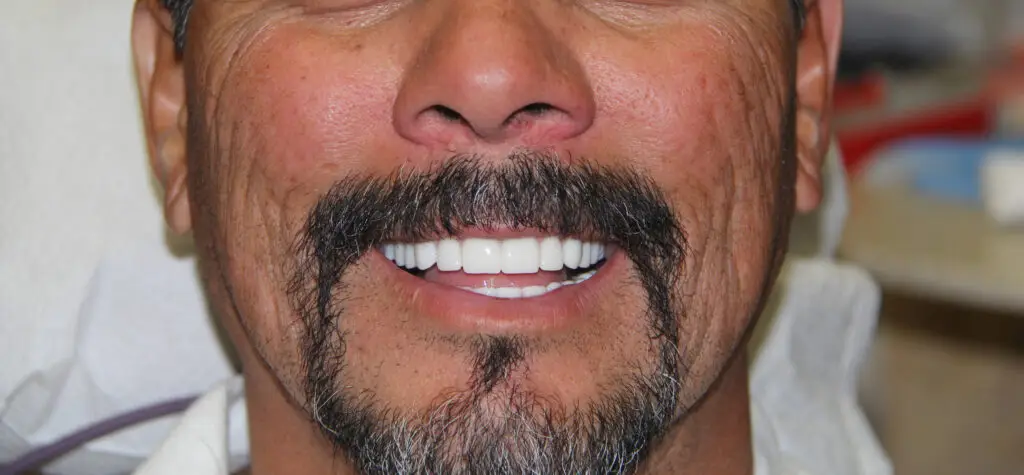

Dental Implant Healing Stages & Recovery Timeline Golpa NexGen Smiles
By Dr. Mike Golpa, Golpa NexGen Smiles
Dental implants are a popular solution for individuals seeking permanent teeth replacements, but understanding the recovery time associated with this procedure is crucial for successful outcomes. The recovery process involves several stages, each with its own timeline and biological mechanisms. This article will guide you through the typical healing stages after dental implant surgery, how to speed up recovery safely, common complications, and the impact of advanced protocols on recovery time. By the end, you will have a comprehensive understanding of the dental implant healing process and practical tips to enhance your recovery.
What Are the Typical Healing Stages After Dental Implant Surgery?

The healing process after dental implant surgery can be divided into several distinct stages, each critical for the successful integration of the implant into the jawbone. Understanding these stages helps patients manage their expectations and adhere to post-operative care effectively.
How Does the Implant Recovery Timeline Progress?
The recovery timeline for dental implants typically progresses through three main phases:
- Initial Recovery Phase: This phase begins immediately after surgery and lasts for about 1-2 weeks. Patients may experience swelling and discomfort, which can be managed with prescribed medications.
Research further elaborates on effective strategies for managing post-operative pain and discomfort during this critical initial recovery period.
Managing Post-Operative Pain After Dental Implant Surgery
Individual studies and meta-analysis of two studies indicated that nonsteroidal anti-inflammatory drugs (NSAIDs) significantly reduced POP and consumption of rescue analgesics after dental implant placement compared to placebo. Transdermal administration of NSAIDs may be superior to the oral route as it was similarly effective for POP control and resulted in fewer side effects. Glucocorticoids administered as primary analgesics or NSAID adjuvants resulted in comparable pain sensation compared to NSAIDs alone. Caffeine-containing analgesics were reported as acceptable and effective for the treatment of POP and swelling when compared to codeine adjuvants. With regard to analgesic dosing schedules, pain modulation may be most critical during the first 72 h following dental implant placement.
Post-operative pain management in dental implant surgery: a systematic review and meta-analysis of randomized clinical trials, I Khouly, 2021
- Osseointegration Period: This crucial phase occurs over the next 2-6 months, during which the implant fuses with the jawbone. Successful osseointegration is essential for the stability of the implant.
- Final Healing Stage: After osseointegration, the final healing stage can take an additional 2-4 weeks, during which the gum tissue heals around the implant.
Understanding this timeline allows patients to prepare for their recovery and follow their dentist’s recommendations closely.
What Biological Processes Occur During Each Healing Stage?
During the healing stages, several biological processes occur that are vital for the success of dental implants:
- Bone Healing: The body initiates a healing response that includes the formation of new bone around the implant, a process known as osseointegration.
- Tissue Regeneration: Soft tissue healing occurs concurrently, with the gums regenerating to cover the implant site.
- Inflammatory Response: Initially, an inflammatory response helps to clear any debris and initiate healing, which is a normal part of the recovery process.
These biological mechanisms are essential for ensuring that the implant becomes a stable and functional part of the mouth.
How Can You Speed Up Dental Implant Healing Safely?

While the healing process is largely biological, there are several practices that can help speed up recovery safely. Following these guidelines can enhance the healing process and improve overall outcomes.
What Post Dental Implant Care Practices Improve Recovery?
Effective post-operative care practices include:
- Maintain Oral Hygiene: Keeping the mouth clean is crucial to prevent infection. Gentle brushing and rinsing with saltwater can help.
- Follow-Up Visits: Regular check-ups with your dentist ensure that the healing process is on track and any issues are addressed promptly.
- Avoid Harmful Habits: Patients should refrain from smoking and excessive alcohol consumption, as these can hinder healing.
Implementing these practices can significantly improve recovery times and outcomes.
Which Lifestyle Factors Affect Implant Healing Time?
Several lifestyle factors can influence the healing time after dental implant surgery:
- Smoking and Alcohol Effects: Both smoking and alcohol can impair blood flow and delay healing, making it essential to avoid these substances during recovery.
- Dietary Considerations: A balanced diet rich in vitamins and minerals supports healing. Foods high in calcium and vitamin D are particularly beneficial.
- Stress Management: High stress levels can negatively impact the immune system, so managing stress through relaxation techniques can aid recovery.
By addressing these lifestyle factors, patients can create a more conducive environment for healing.
What Are Common Dental Implant Complications and Their Recovery?
Despite the high success rate of dental implants, complications can occur. Understanding these potential issues and their management is crucial for patients.
How to Recognize and Manage Implant Complications Early?
Common signs of complications include:
- Persistent Pain: While some discomfort is normal, severe or prolonged pain may indicate an issue.
- Swelling or Redness: Increased swelling or redness around the implant site can signal infection.
- Mobility of the Implant: If the implant feels loose, it may not have integrated properly.
Patients should contact their dentist immediately if they notice any of these signs to prevent further complications.
What Is the Expected Recovery Process After Complication Treatment?
If complications arise, the recovery process may involve:
- Additional Treatments: This could include antibiotics for infections or further surgical interventions.
- Extended Healing Time: Recovery may take longer than initially expected, depending on the severity of the complication.
- Follow-Up Care: Regular monitoring and follow-up appointments are essential to ensure proper healing after complications.
Understanding these aspects can help patients navigate the recovery process more effectively.
How Do Advanced Protocols Affect Recovery Time for Complex Cases?
Advanced protocols in dental implant procedures can significantly influence recovery times, especially for patients with complex cases such as severe bone loss.
How Does Severe Bone Loss Impact Implant Healing Duration?
Severe bone loss can complicate the healing process by:
- Delaying Osseointegration: Insufficient bone density can prolong the osseointegration phase, requiring additional time for the implant to stabilize.
- Need for Bone Grafting: In some cases, bone grafting may be necessary to provide adequate support for the implant, which adds to the overall recovery time.
Understanding these challenges allows patients to prepare for a potentially longer recovery period.
What Are the Benefits of Permanent Teeth Delivery Within 24 Hours?
One of the significant advancements in dental implant technology is the ability to deliver permanent teeth within 24 hours. This approach offers several benefits:
- Patient Convenience: Immediate restoration allows patients to leave the office with functional teeth, reducing the psychological impact of tooth loss.
- Immediate Functionality: Patients can eat and speak normally sooner, which enhances their quality of life during the healing process.
- Psychological Benefits: Having a complete smile can boost confidence and improve overall well-being.
These advancements highlight the importance of choosing a provider experienced in advanced protocols.
What Real Patient Outcomes Reveal About Dental Implant Recovery?
Patient outcomes provide valuable insights into the effectiveness of dental implant procedures and recovery experiences.
How Do Experienced Providers Like Dr Mike Golpa Improve Healing Success?
Providers with extensive experience, such as Dr. Mike Golpa, enhance healing success through:
- Advanced Training: Continuous education in the latest techniques and technologies ensures optimal patient care.
- Personalized Treatment Plans: Tailoring treatment to individual patient needs can lead to better outcomes.
- Comprehensive Aftercare: Providing thorough post-operative care and support helps patients navigate their recovery effectively.
These factors contribute to higher patient satisfaction and improved recovery rates.
What Do Case Studies Show About Recovery Timelines and Patient Satisfaction?
Case studies reveal that:
- Recovery Timelines: Patients often report varying recovery timelines based on individual health factors and adherence to post-operative care.
- Patient Feedback: High satisfaction rates are commonly associated with effective communication and support from dental providers.
- Success Metrics: Long-term success rates for dental implants remain high, particularly when patients follow their provider’s recommendations.
These insights underscore the importance of both provider expertise and patient engagement in the recovery process.
What Are the Best Recovery Tips and Aftercare Guidelines for Dental Implants?
To ensure optimal healing after dental implant surgery, patients should follow best practices and guidelines.
Which Aftercare Steps Are Essential for Optimal Healing?
Key aftercare steps include:
- Adhere to Post-Operative Instructions: Following your dentist’s specific instructions is crucial for a smooth recovery.
- Maintain Good Oral Hygiene: Keeping the surgical site clean helps prevent infections.
- Attend All Follow-Up Appointments: Regular check-ups allow for monitoring of the healing process and timely intervention if needed.
These steps are vital for ensuring a successful recovery.
How Can Patients Monitor Their Recovery Progress Effectively?
Patients can effectively monitor their recovery by:
- Tracking Symptoms: Keeping a record of any changes in pain, swelling, or discomfort can help identify potential issues early.
- Regular Self-Examinations: Checking the surgical site for signs of infection or unusual changes can prompt timely action.
- Communicating with Your Dentist: Open communication with your dental provider about any concerns can facilitate better care.
By actively participating in their recovery, patients can enhance their healing experience and outcomes.