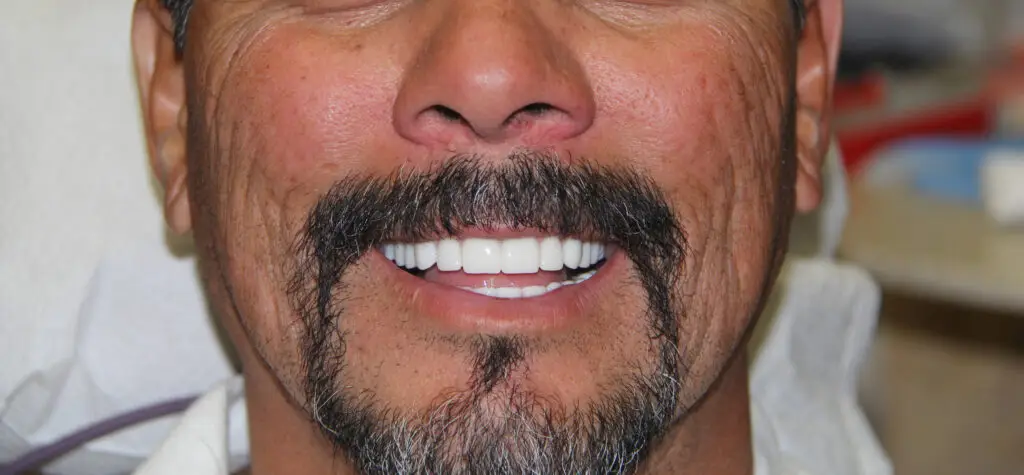

Individual Dental Implant Solutions Guide | Golpa NexGen Smiles
By Dr. Mike Golpa, Golpa NexGen Smiles
Individual dental implants are a revolutionary solution for those seeking permanent teeth replacements. Unlike traditional dentures or bridges, individual implants provide a stable and long-lasting option that mimics the natural tooth structure. This guide will explore the various aspects of individual dental implants, including their benefits, the process of obtaining them, and how they differ from full mouth solutions. Many patients face challenges with temporary teeth options, which can lead to discomfort and dissatisfaction. Individual implants offer a reliable solution that can restore confidence and improve quality of life. We will delve into the mechanisms behind the 24-hour delivery of permanent teeth, management of severe bone loss, and the differences between individual implants and All on 4 procedures.
What Are Individual Dental Implants and How Do They Differ from Full Mouth Solutions?
Individual dental implants are designed to replace single missing teeth, providing a permanent solution that integrates with the jawbone. This integration, known as osseointegration, allows the implant to function like a natural tooth. In contrast, full mouth solutions, such as All on 4, involve placing multiple implants to support a full arch of teeth. The primary benefit of individual implants is their ability to preserve surrounding teeth and bone structure, offering a more conservative approach to tooth replacement.
The fundamental principle of dental implant success, osseointegration, is a key factor in their long-term stability.
Osseointegration & Dental Implant Success in Aging
Dental implants are widely used to replace missing teeth, providing patients with unparalleled levels of effectiveness, convenience, and affordability. The biological basis for the clinical success of dental implants is osseointegration. Bone aging is a high-risk factor for the reduced osseointegration and survival rates of dental implants.
Mesenchymal stem cells and dental implant osseointegration during aging: from mechanisms to therapy, 2023
Understanding Permanent Teeth Implants versus Temporary Options
Permanent teeth implants are crafted from biocompatible materials, ensuring they fuse with the jawbone for stability. Temporary options, such as dentures, can shift and cause discomfort, leading to a less satisfying experience. Patients often report improved confidence and functionality with permanent implants, as they allow for normal eating and speaking without the fear of slippage. For example, a patient who transitioned from dentures to individual implants noted a significant improvement in their ability to enjoy a variety of foods without worry.
How NexGen Smiles and Dr Mike Golpa Lead in Implant Expertise
NexGen Smiles, led by Dr. Mike Golpa, is recognized for its expertise in dental implants, particularly individual solutions. Dr. Golpa’s extensive training and experience in advanced implant techniques have positioned him as a leader in the field. Patients benefit from his commitment to using the latest technologies and methods, which enhance the success rates of implant procedures. Testimonials from satisfied patients highlight the transformative impact of Dr. Golpa’s work, showcasing successful outcomes and improved quality of life.
How Does Permanent Teeth Delivery in 24 Hours Work?

The process of delivering permanent teeth within 24 hours involves advanced protocols that streamline the implant procedure. This rapid approach is made possible through the use of cutting-edge technology and meticulous planning, allowing for immediate placement of implants after extraction.
Advanced Dental Implant Protocols for Rapid Teeth Placement
Advanced protocols, such as guided implant surgery, enable precise placement of implants, reducing the time required for the procedure. These techniques often involve 3D imaging and computer-assisted planning, which enhance accuracy and minimize complications. The benefits of rapid placement include reduced healing time and immediate restoration of function, allowing patients to leave the office with a new smile in just one day.
Further research supports the critical role of digital planning and guided surgery in achieving optimal implant outcomes.
Digital Planning & Guided Surgery for Dental Implants
Modern oral implantology and implant prosthetics depend on comprehensive diagnostics and precise planning to ensure the desired outcome and meet the patient’s and the dentist’s expectations. In this context, digital implant planning and guided implant surgery based on three-dimensional radiographic data and the digitised intraoral surfaces can be of excellent service. They provide valuable information and permit stringent backward planning to optimise the implantological and prosthetic result, improving the safety and efficiency of the surgical procedure and rendering the restorative outcome more predictable in terms of function, biology and aesthetics.
Digital implant planning and guided implant surgery–workflow and reliability, 2019
What Patients Can Expect During the 24-Hour Implant Process
During the 24-hour implant process, patients can expect a thorough consultation and treatment plan tailored to their specific needs. The procedure typically begins with the extraction of any remaining teeth, followed by the placement of the implants. Patients are often surprised by the minimal discomfort associated with the procedure, thanks to advancements in anesthesia and sedation techniques. Post-operative care instructions are provided to ensure a smooth recovery, with many patients resuming normal activities within a short period.
How Are Severe Bone Loss Cases Managed in Dental Implant Treatment?
Severe bone loss can complicate dental implant procedures, but modern techniques have made it possible to successfully manage these cases. Understanding the challenges associated with bone loss is crucial for effective treatment planning.
Bone Grafting and Complex Implant Techniques Explained

Bone grafting is a common technique used to augment the jawbone in cases of severe bone loss. This procedure involves transplanting bone tissue to create a stable foundation for implants. Various types of grafts, including autografts and allografts, can be utilized depending on the patient’s needs. Success stories from patients who underwent bone grafting demonstrate the effectiveness of this approach in achieving successful implant placement.
Why Advanced Protocols Matter for Complex Dental Implant Cases
Advanced protocols are essential for managing complex dental implant cases, particularly those involving significant bone loss. These protocols often include the use of specialized implants designed to anchor securely in compromised bone. The importance of careful planning and execution cannot be overstated, as it directly impacts the long-term success of the implants. Patients who receive comprehensive care from experienced professionals, like those at NexGen Smiles, often report higher satisfaction rates and improved outcomes.
What Are the Key Differences Between All on 4 and Individual Permanent Implants?
When considering tooth replacement options, understanding the differences between All on 4 and individual permanent implants is crucial for making an informed decision.
Comparing Temporary versus Permanent Teeth Solutions
Temporary teeth solutions, such as dentures, often lack the stability and comfort of permanent implants. While All on 4 provides a full arch of teeth supported by just four implants, individual implants offer a more tailored approach, allowing for the replacement of specific missing teeth. Patients frequently express a preference for individual implants due to their natural feel and function, which closely resembles that of real teeth.
Benefits of Individual Implants Over All on 4 Procedures
Individual implants provide several advantages over All on 4 procedures, including better preservation of jawbone structure and surrounding teeth. Patients who opt for individual implants often experience less bone resorption over time, leading to improved long-term outcomes. Additionally, individual implants can be replaced or adjusted as needed, offering greater flexibility in dental care.
What Are the Patient Outcomes and Success Rates for Individual Dental Implants?
The success rates for individual dental implants are notably high, with many studies indicating a success rate of over 95%. Understanding patient outcomes is essential for evaluating the effectiveness of this treatment option.
Clinical studies consistently demonstrate the impressive longevity and reliability of dental implants.
10-Year Dental Implant Survival Rates
Only prospective observational studies with at least 10 participants and 35 implants were included. The unit of study was the ‘absolute survival’ rate of dental implants after 10 years in function, which was calculated as the number of surviving implants divided by the total number of implants placed.
Long-term (10-year) dental implant survival: A systematic review and sensitivity meta-analysis, 2019
Real Patient Case Studies and Testimonials from NexGen Smiles
At NexGen Smiles, numerous patient case studies highlight the positive outcomes associated with individual dental implants. Many patients report significant improvements in their quality of life, including enhanced self-esteem and the ability to eat a wider variety of foods. Testimonials reflect the transformative nature of the procedure, with individuals expressing gratitude for the newfound confidence that comes with a complete smile.
Latest Clinical Data on Implant Longevity and Satisfaction
Recent clinical data indicates that individual dental implants maintain their functionality and aesthetic appeal over time. Studies show that patients who receive implants experience high levels of satisfaction, with many reporting that their implants feel and function like natural teeth. This data underscores the importance of choosing a qualified provider, such as Dr. Mike Golpa, to ensure optimal results.
How Much Do Individual Dental Implants Cost and What Financing Options Are Available?
The cost of individual dental implants typically ranges from $20,000 to $50,000+ per arch in the United States. Understanding the financial aspects of dental implants is crucial for prospective patients.
Dental Implant Cost Estimates and Transparent Pricing
When considering the investment in individual dental implants, it is essential to understand the factors that influence pricing. Costs can vary based on the complexity of the case, the materials used, and the experience of the dental team. Patients are encouraged to seek transparent pricing from their providers to ensure they are making informed decisions about their dental care.
Consultation Process and Financing Solutions for Patients
At NexGen Smiles, the consultation process includes a thorough assessment of the patient’s needs and a discussion of financing options. Various financing solutions are available to help patients manage the cost of their implants, making this life-changing procedure accessible to a broader audience. Understanding eligibility criteria and payment plans can alleviate financial concerns, allowing patients to focus on their journey to a healthier smile.