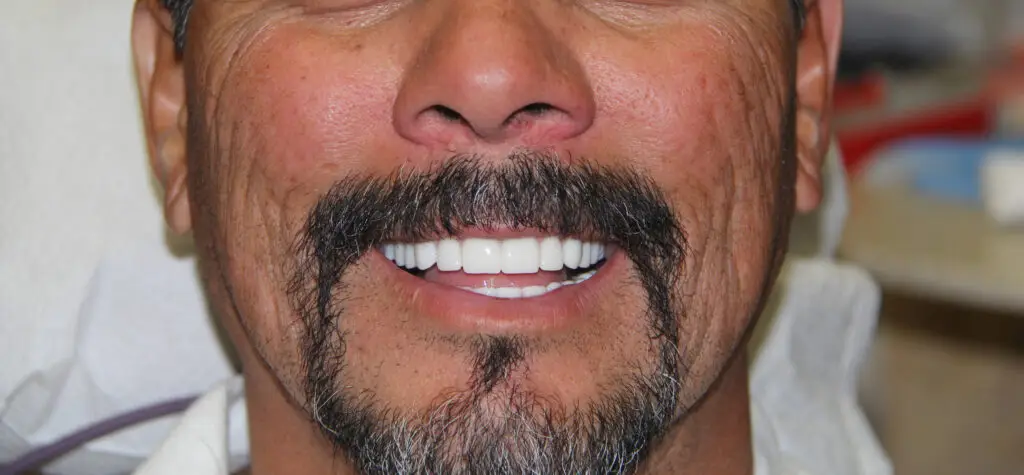

Full Mouth Implants & 24-Hour Smile Makeover | Golpa NexGen Smiles
By Dr. Mike Golpa, Golpa NexGen Smiles
Full mouth dental implants represent a revolutionary solution for individuals seeking permanent teeth replacements, particularly those facing complex dental issues. This advanced surgical procedure not only restores functionality but also enhances aesthetics, significantly improving the quality of life for patients. In this article, we will explore the transformative nature of full mouth dental implants, the advanced surgical protocols that enhance outcomes, and the latest techniques for addressing severe bone loss. Additionally, we will discuss the expertise of Dr. Mike Golpa and the rapid delivery process of permanent teeth, ensuring patients receive the best care possible.
What Are Full Mouth Dental Implants and How Do They Transform Dental Surgery?
Full mouth dental implants are a comprehensive solution for patients who have lost most or all of their teeth. This procedure involves the surgical placement of titanium implants into the jawbone, which serve as stable anchors for replacement teeth. The primary benefit of full mouth implants over traditional dentures is their ability to provide a permanent, secure solution that mimics the function and appearance of natural teeth. Patients experience improved chewing ability, speech, and overall oral health, leading to enhanced self-esteem and confidence.
Understanding the Procedure and Benefits of Full Mouth Dental Implants
The process of receiving full mouth dental implants typically begins with a thorough evaluation and treatment planning. This includes imaging studies to assess bone density and structure. Once the planning is complete, the surgical procedure involves placing the implants into the jawbone, followed by a healing period during which the implants integrate with the bone. The immediate benefits include restored functionality and aesthetics, while long-term advantages encompass improved oral health and reduced bone loss.
How Full Mouth Implants Differ from Traditional All on 4 Techniques
Full mouth implants differ significantly from traditional All on 4 techniques, primarily in the number of implants used and the customization of treatment. While All on 4 typically utilizes only four implants to support an entire arch of teeth, full mouth implants may require more implants for enhanced stability and support. Additionally, full mouth implants allow for greater customization in terms of the shape, size, and color of the replacement teeth, providing a more natural appearance.
How Do Advanced Surgical Protocols Improve Outcomes in Complex Dental Implant Cases?

Advanced surgical protocols play a crucial role in improving outcomes for patients undergoing complex dental implant procedures. These protocols involve meticulous planning and execution, ensuring that each step of the surgery is tailored to the individual patient’s needs. By utilizing cutting-edge technology and techniques, such as guided implant surgery, practitioners can achieve higher success rates and minimize complications.
Further research highlights the specific technologies that enable such precision and efficiency in modern implantology.
Advanced Dental Implant Techniques: CBCT, CAD/CAM, & Immediate Temporization
The availability of in office Cone Beam CT (CBCT) scanners, dental implant planning software, CAD CAM milling, and rapid printing technologies allow for the precise placement of dental implants and immediate prosthetic temporization. These technologies allow for flapless implant placement, or open flap bone reduction for “All on 4” techniques with improved preoperative planning and intraoperative performance.
Advanced dental implant placement techniques, A Greenberg, 2017
What Are the Latest Techniques for Treating Severe Bone Loss Before Implant Surgery?
Addressing severe bone loss is essential for the success of dental implants. Recent advancements in techniques such as bone grafting and the use of zygomatic implants have revolutionized the treatment of patients with insufficient bone density. Bone grafting involves transplanting bone tissue to augment the jawbone, while zygomatic implants are anchored in the cheekbone, providing an alternative for patients who cannot undergo traditional bone grafting.
Studies further elaborate on the utility of zygomatic implants as a viable alternative to extensive bone grafting procedures.
Zygomatic Implants for Severely Atrophic Maxilla & Faster Denture Delivery
Zygomatic implants are long screw‐shaped implants developed as a partial or complete alternative to bone augmentation procedures for the severely atrophic maxilla. One to three zygomatic implants can be inserted through the posterior alveolar crest and maxillary sinus to engage the body of the zygomatic bone. The potential main advantages of zygomatic implants could be that in some situations bone grafting may not be needed and a fixed denture could be fitted sooner.
Interventions for replacing missing teeth: dental implants in zygomatic bone for the rehabilitation of the severely deficient edentulous maxilla, HV Worthington, 2005
The long-term efficacy and patient satisfaction with these advanced implant solutions are well-documented in clinical studies.
Long-Term Survival & Patient Outcomes of Zygomatic Implants
The purpose of this study was to perform a systematic review with meta-analysis on the long-term survival rates of zygomatic implants (ZI). ZI success, prostheses survival and success, sinus pathology and patient reported outcomes were also investigated. A minimum of 3 years follow-up was considered acceptable to capture survival after initial healing, alongside in-function prosthesis data via delayed or immediate load protocols. The mean survival of ZIs was 96.2% [95% CI: 93.8; 97.7] at 6 years.
Long-term treatment outcomes with zygomatic implants: a systematic review and meta-analysis, T Dudding, 2023
Why Experience Matters: Dr Mike Golpa’s Approach to Precision Planning and Execution
Dr. Mike Golpa is renowned for his expertise in full mouth dental implants, emphasizing the importance of precision planning and execution. His approach involves a comprehensive assessment of each patient’s unique dental needs, allowing for tailored treatment plans that optimize outcomes. With a focus on advanced surgical techniques and patient care, Dr. Golpa has established a reputation for successfully treating complex cases, including those with severe bone loss.
What Is the Process for Permanent Teeth Delivery Within 24 Hours After Implant Surgery?

The process for delivering permanent teeth within 24 hours after implant surgery is a hallmark of modern dental implant procedures. This rapid delivery system is designed to provide patients with immediate results, enhancing their overall experience. The process begins with the surgical placement of the implants, followed by the attachment of temporary teeth. Once the implants have integrated with the bone, permanent teeth are crafted and placed, ensuring a seamless transition for the patient.
Step-by-Step Overview of Immediate Permanent Teeth Placement
- Initial Consultation: Patients undergo a thorough evaluation to determine their suitability for the procedure.
- Surgical Placement: Implants are surgically placed into the jawbone, followed by the attachment of temporary teeth.
- Healing Period: A short healing period allows for initial integration of the implants.
- Permanent Teeth Placement: After healing, permanent teeth are crafted and placed, providing a natural appearance and function.
How Does NexGen Smiles Ensure Stability and Patient Comfort in Rapid Delivery?
NexGen Smiles prioritizes patient comfort and stability during the rapid delivery of permanent teeth. Techniques such as advanced imaging and precise surgical planning ensure that implants are placed in optimal positions for stability. Additionally, patient care protocols are implemented to manage discomfort and promote healing, allowing for a smooth recovery process.
What Should Patients Expect During Dental Implant Surgery Recovery?
Recovery from dental implant surgery is a critical phase that requires proper management and care. Patients can expect some swelling and discomfort in the initial days following the procedure, which can be managed with prescribed medications. Adhering to aftercare instructions is essential for promoting healing and ensuring the success of the implants.
Typical Recovery Timelines and Managing Post-Surgical Care
- First 24-48 Hours: Swelling and discomfort are most pronounced; rest is recommended.
- 1 Week: Most patients can return to normal activities, though some restrictions may apply.
- 2-4 Weeks: Healing progresses, and follow-up appointments are scheduled to monitor progress.
Tips for Aftercare to Support Healing and Implant Success
- Maintain Oral Hygiene: Gently brush and rinse to keep the surgical site clean.
- Follow Dietary Recommendations: Stick to soft foods and avoid hard or crunchy items.
- Attend Follow-Up Appointments: Regular check-ups are crucial for monitoring healing and implant integration.
How Do Full Mouth Dental Implants Compare Cost-Wise and Outcome-Wise to Other Options?
When considering dental restoration options, full mouth implants offer a compelling value proposition. While the initial costs may be higher than traditional dentures, the long-term benefits, including durability and improved quality of life, often outweigh the initial investment.
Comparing Full Mouth Implants with All on 4: Costs, Benefits, and Longevity
Full mouth implants generally provide superior longevity and functionality compared to All on 4 techniques. While All on 4 may be more cost-effective initially, full mouth implants offer enhanced stability and a more natural feel, making them a preferred choice for many patients.
Financing Options and Value Considerations for Complex Dental Surgeries
Patients considering full mouth dental implants should explore various financing options available to make the procedure more accessible. Many dental practices offer payment plans or financing solutions that can help spread the cost over time, making it easier for patients to invest in their oral health.
What Do Real Patient Outcomes and Testimonials Reveal About Advanced Dental Surgery Success?
Real patient outcomes and testimonials provide valuable insights into the success of advanced dental surgery techniques. Many patients report significant improvements in their quality of life following full mouth implant procedures, highlighting the transformative impact of this treatment.
Case Studies Highlighting Treatment of Severe Bone Loss and Complex Cases
Case studies demonstrate the effectiveness of advanced techniques in treating patients with severe bone loss. For instance, patients who underwent zygomatic implant placement reported high satisfaction rates and successful integration, showcasing the potential of these innovative solutions.
Patient Testimonials on Permanent Teeth Delivery and Recovery Experience
Patients frequently express their satisfaction with the rapid delivery of permanent teeth and the overall recovery experience. Testimonials often highlight the immediate improvement in function and aesthetics, reinforcing the value of choosing advanced dental solutions like those offered by NexGen Smiles.