
Dental Implant Images: Types, Surgery & Recovery – Golpa NexGen Smiles
By Dr. Mike Golpa, Golpa NexGen Smiles
Dental implants have revolutionized the field of restorative dentistry, offering patients a permanent solution for missing teeth. This comprehensive visual guide explores the various types of dental implants, the surgical procedures involved, and the recovery process, all illustrated with images to enhance understanding. Many individuals face challenges with tooth loss, which can impact their confidence and quality of life. Dental implants provide a reliable solution, restoring both function and aesthetics. In this article, we will delve into the different types of dental implants, the step-by-step surgical process, advanced protocols for complex cases, and the visual evidence of successful outcomes through before and after photos.
What Are the Different Types of Dental Implants?
Dental implants come in various types, each designed to meet specific patient needs. The most common types include endosteal implants, which are placed directly into the jawbone, and subperiosteal implants, which are positioned under the gum but above the jawbone. Understanding these options is crucial for patients considering dental implants, as each type offers unique benefits and considerations.
How Do Full Mouth Dental Implants Compare to Traditional Options?

Full mouth dental implants, often referred to as “All-on-4” implants, provide a complete arch of teeth supported by just four strategically placed implants. This method contrasts with traditional implants, which may require one implant per tooth. The advantages of full mouth implants include reduced treatment time, fewer surgical procedures, and a more cost-effective solution for patients needing extensive restoration. Patient testimonials often highlight the immediate improvement in quality of life and confidence following the procedure.
Research consistently supports the profound positive impact dental implants have on patients’ overall well-being and daily functions.
Dental Implants: Improving Quality of Life After Tooth Loss
Tooth loss is a serious life event that impairs two important functions, namely, eating and speaking, and has significant side effects on different aspects of quality of life. These effects are internalized by the individual. The present study aimed to compare the quality of life (QOL) of patients requesting dental implants before and after implant. In this study, the most common problems reported by patients were eating (78%), smiling, laughing, and embarrassment (53%) before surgery.
Comparing the quality of life of patients requesting dental implants before and after implant, A Moeintaghavi, 2017
What Visual Differences Exist Among Implant Designs?
The design of dental implants can vary significantly, impacting both functionality and aesthetics. For instance, some implants feature a tapered design that allows for better integration with the jawbone, while others may have a cylindrical shape. Visual distinctions can also be seen in the materials used, such as titanium versus zirconia, each offering different benefits in terms of biocompatibility and appearance. Images illustrating these differences can help patients make informed decisions about their treatment options.
How Does the Dental Implant Surgery Process Look Step by Step?
The dental implant surgery process involves several key steps, beginning with a thorough consultation and imaging to assess bone density and structure. Following this, the surgical procedure typically includes the following stages:
Modern dentistry leverages advanced imaging and digital planning to ensure precision and predictability in every implant procedure.
Digital & CT-Guided Dental Implant Surgery Planning
Digital technologies for dental implant treatment planning and guided surgery. CBCT has revolutionized clinical decision making, and surgical procedures for dental implant placement. Accurate and predictable results can be provided with confidence to patients when CT-guided dental implant surgery is used.
Digital technologies for dental implant treatment planning and guided surgery, AM Greenberg, 2015
- Implant Placement: The implant is surgically inserted into the jawbone.
- Osseointegration: Over the next few months, the bone integrates with the implant, providing stability.
- Abutment Placement: Once healed, an abutment is attached to the implant to hold the crown.
- Crown Placement: Finally, a custom-made crown is placed on the abutment, completing the restoration.
This step-by-step process ensures that patients receive a durable and functional solution for their missing teeth.
At NexGen Smiles, we specialize in advanced protocols that enable permanent teeth delivery in as little as 24 hours. Our expertise in full mouth dental implants allows us to provide patients with immediate results, significantly enhancing their quality of life.
What Are the Advanced Protocols for Complex Cases with Severe Bone Loss?
For patients with severe bone loss, traditional implant placement may not be feasible. Advanced protocols, such as bone grafting or the use of zygomatic implants, can provide solutions for these complex cases. Bone grafting involves augmenting the jawbone to create a stable foundation for implants, while zygomatic implants anchor into the cheekbone, bypassing the need for extensive bone reconstruction. These innovative techniques have transformed the landscape of dental implantology, allowing more patients to benefit from permanent teeth solutions.
NexGen Smiles is equipped to handle complex cases, utilizing cutting-edge technology and techniques to ensure successful outcomes for patients with challenging anatomical conditions.
How Is Permanent Teeth Delivery Achieved Within 24 Hours?
The ability to deliver permanent teeth within 24 hours is a significant advancement in dental implant procedures. This rapid turnaround is achieved through a combination of immediate loading techniques and precise surgical planning. After the implants are placed, temporary teeth can be attached, allowing patients to leave the office with a functional smile. This approach not only enhances patient satisfaction but also reduces the psychological burden associated with prolonged treatment times.
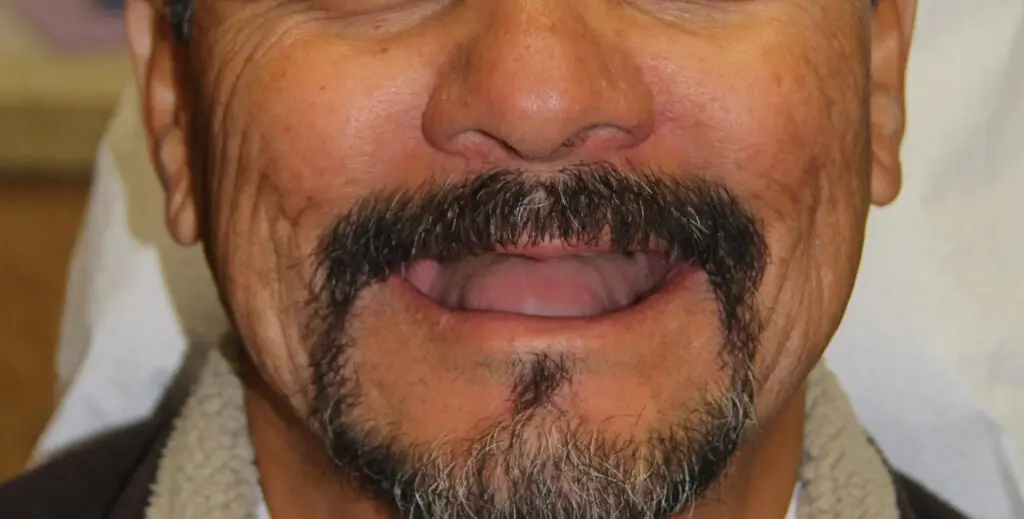
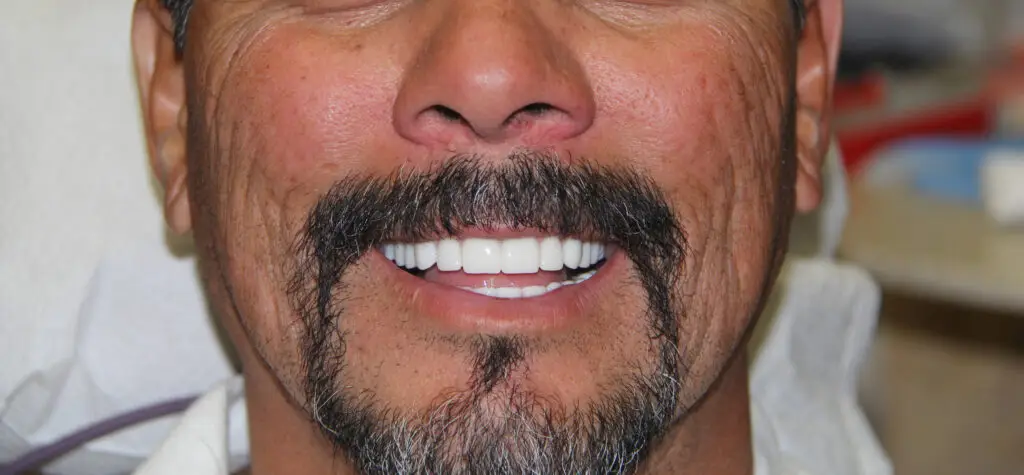
What Do Dental Implant Before and After Photos Reveal About Patient Outcomes?
Before and after photos of dental implant patients provide compelling visual evidence of the transformative effects of the procedure. These images often showcase significant improvements in aesthetics, function, and overall patient confidence. Many patients report feeling more self-assured and willing to engage socially after their treatment, highlighting the profound impact that dental implants can have on quality of life.
What Does the Dental Implant Recovery Timeline Look Like in Photos?

The recovery timeline for dental implant patients can vary, but visual representations can help set realistic expectations. Typically, the initial healing phase lasts about 1-2 weeks, during which swelling and discomfort may occur. Following this, osseointegration takes several months, during which the implant becomes securely anchored in the jawbone.
| Stage | Description | Expected Duration |
|---|---|---|
| Initial Healing | Swelling and discomfort | 1-2 weeks |
| Osseointegration | Bone integration with implant | 3-6 months |
| Final Restoration | Placement of crown | 1-2 weeks |
This timeline illustrates the importance of patience and adherence to post-operative care for optimal results.
How Does NexGen Smiles Differentiate Its Implant Images From Competitors?
NexGen Smiles sets itself apart by providing high-quality, detailed images of dental implants and patient outcomes. Our focus on capturing the nuances of each case allows potential patients to visualize the transformative effects of dental implants. Additionally, our commitment to using advanced imaging technology ensures that our visual content is both informative and engaging, helping patients make informed decisions about their dental health.
By prioritizing quality and clarity in our visual representations, we aim to build trust and confidence among prospective patients seeking permanent teeth solutions.