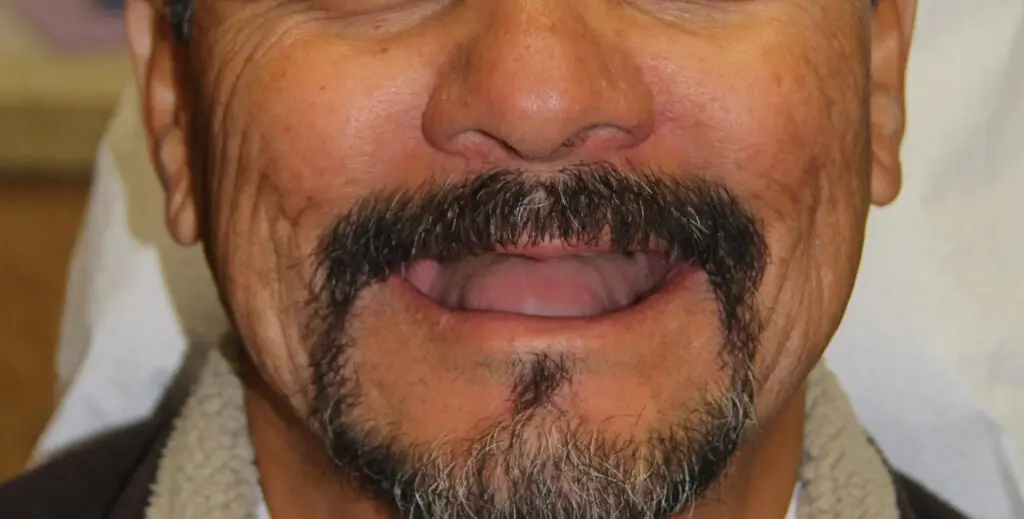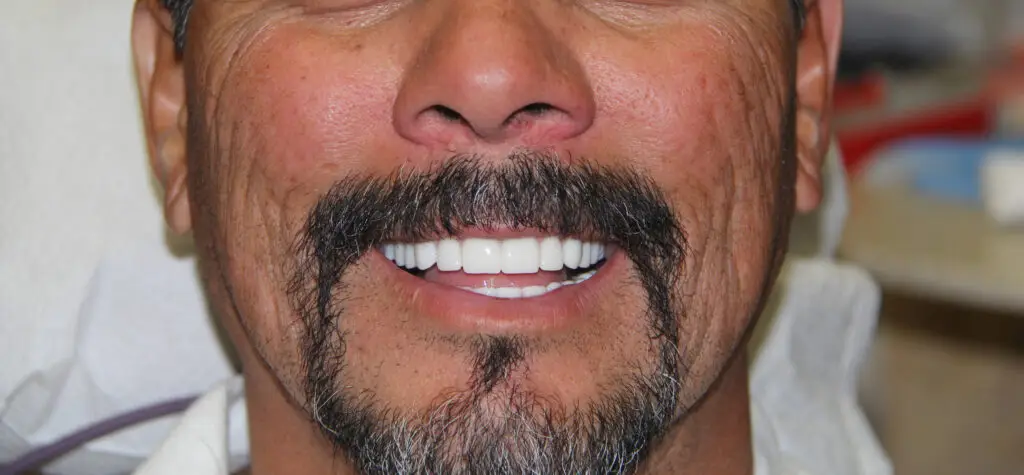

Comprehensive Guide to Upper Arch Dental Implants: Costs, Benefits, and Advanced Treatment Options
By Dr. Mike Golpa, Golpa NexGen Smiles
Upper arch dental implants represent a transformative solution for individuals seeking permanent teeth replacement. These implants are designed to restore functionality and aesthetics, providing a stable foundation for prosthetic teeth. In this comprehensive guide, we will explore the various aspects of upper arch dental implants, including their benefits, costs, and advanced treatment options. Many patients face challenges with traditional dentures, such as discomfort and instability, which can significantly impact their quality of life. Upper arch dental implants offer a reliable alternative, ensuring that patients can enjoy their favorite foods and smile confidently. This article will cover the overview of upper arch dental implants, their benefits, associated costs, advanced treatment options, and financing solutions.
Overview of Upper Arch Dental Implants
Upper arch dental implants are titanium posts surgically placed in the jawbone to serve as anchors for prosthetic teeth. Unlike traditional dentures, which can slip and cause discomfort, these implants provide a permanent solution that mimics the function of natural teeth. The procedure involves a thorough evaluation, including imaging and a customized treatment plan, ensuring that each patient receives tailored care. This innovative approach not Pre-formatted only enhances oral function but also improves overall aesthetics, making it a preferred choice for many seeking dental restoration.
Benefits of Upper Arch Dental Implants

Upper arch dental implants offer numerous advantages that significantly enhance the quality of life for patients. The key benefits include:
- Stability and Functionality: Implants are securely anchored in the jawbone, providing a stable base for prosthetic teeth that function like natural teeth.
- Bone Preservation: The implants stimulate the jawbone, preventing bone loss that often occurs with missing teeth.
- Immediate Results: Advanced protocols allow for the delivery of permanent teeth within 24 hours, minimizing the waiting period for patients.
NexGen Smiles, led by Dr. Mike Golpa, emphasizes the importance of advanced protocols in achieving these benefits, ensuring that patients receive the highest quality care and outcomes.
Costs of Upper Arch Dental Implants
The cost of upper arch dental implants can vary significantly based on several factors, including the complexity of the case and the materials used. In the U.S., the cost typically ranges from $20,000 to $50,000 per arch. Factors influencing these costs include:
- Complexity of the Case: More complex cases may require additional procedures, such as bone grafting, which can increase overall costs.
- Number of Implants: The number of implants needed for stability can affect pricing.
- Materials Used: High-quality materials, such as titanium and zirconia, may come at a premium.
To provide a clearer understanding of the costs associated with different implant techniques, the following table compares the expenses of various approaches:
| Implant Technique | Average Cost | Key Features |
|---|---|---|
| All on 4 | $20,000 – $30,000 | Four implants supporting a full arch |
| All on 6 | $30,000 – $50,000 | Six implants for enhanced stability |
| Zygomatic Implants | $40,000+ | Used for patients with severe bone loss |
This comparison highlights the unique value propositions of each technique, allowing patients to make informed decisions based on their specific needs.
Advanced Treatment Options

Advanced treatment options for upper arch dental implants include techniques such as zygomatic implants and guided implant placement. Zygomatic implants are particularly beneficial for patients with significant bone loss, as they anchor into the zygomatic bone, providing a stable foundation for prosthetics. Guided implant placement utilizes advanced imaging technology to ensure precise positioning of implants, enhancing the overall success rate of the procedure.
A systematic review highlights the long-term success and potential complications associated with zygomatic implants, offering a comprehensive view for patients considering this advanced option.
Zygomatic Implants: 12-Year Survival Rates & Common Complications
Thirty-seven studies were identified without repetition and five more studies were included by hand-searching, giving a total of 42; 12 evaluated the use of ZI applied with immediate function protocols and 3 for rehabilitating patients after maxillary resections for tumor ablations. These latter three studies showed smaller ZI success. Postoperative complications reported were as follows: 70 cases of sinusitis, 48 of soft tissue infection, 15 of paresthesia, and 17 cases of oroantral fistulas. However, this number may be underestimated, since most of the studies did not mention the presence or absence of these complications. Most ZI failures were detected at the abutment connection phase (6 months after the surgery of implant placement) or before. The CSR over a 12-year period was 96.7 %.
Survival and complications of zygomatic implants: a systematic review, BR Chrcanovic, 2013
Upper Arch Implants Overview: Costs & Benefits - Golpa NexGen Smiles
Understanding the financial aspects of upper arch dental implants is crucial for many patients. Several financing options are available to help manage the costs, including:
- Monthly Payment Plans: Many dental practices offer flexible payment plans to spread the cost over time.
- Third-Party Financing Providers: Companies specializing in medical financing can provide loans specifically for dental procedures.
- Low or 0% Interest Options: Some practices may offer promotional financing with low or no interest for a limited time.
These options can make the investment in upper arch dental implants more manageable for patients.
What Are Upper Arch Dental Implants and How Do They Work?
Upper arch dental implants consist of titanium posts that are surgically inserted into the jawbone. Once integrated, these posts serve as anchors for prosthetic teeth, providing a permanent solution for tooth loss. The process begins with a comprehensive evaluation, including imaging and a customized treatment plan tailored to the patient’s specific needs. After the implants are placed, a healing period allows the bone to fuse with the implants, ensuring stability and durability.
Understanding Full Mouth Upper Jaw Implant Procedures
The full mouth upper jaw implant procedure involves several key steps, including:
- Consultation and Imaging: A thorough assessment is conducted to determine the best approach for each patient.
- Customized Treatment Plan: Based on the evaluation, a tailored plan is developed to address the patient’s unique needs.
- Final Restoration: After the healing period, permanent prosthetic teeth are placed, completing the restoration process.
This comprehensive approach ensures that patients receive optimal care throughout their treatment journey.
How Do Advanced Protocols Enable Permanent Teeth Delivery in 24 Hours?
Advanced protocols in dental implantology have revolutionized the way patients receive their prosthetic teeth. These protocols involve a comprehensive evaluation and a streamlined surgical process that allows for immediate teeth delivery. By utilizing techniques such as guided implant placement and advanced imaging, dental professionals can ensure precise positioning of implants, leading to successful outcomes. This rapid approach minimizes the waiting period for patients, allowing them to enjoy their new smiles sooner.
Further research underscores the importance of guided implant placement, demonstrating its effectiveness in significantly reducing implant failure rates compared to free-hand methods.
Guided vs. Free-Hand Implant Surgery: Reducing Failure Rates
Both guided and free-hand implant placement techniques resulted in a high implant survival rate. However, implant failure rates were almost three times higher in the free-hand implant placement category. A guided implant placement approach is recommended for a successful outcome.
Failure rates associated with guided versus non-guided dental implant placement: a systematic review and meta-analysis, S Prasad, 2021
What Are the Benefits of Maxillary Implants for Patients?
Maxillary implants offer several specific benefits for patients, including:
- Improved Functionality: Patients experience enhanced chewing and speaking abilities, significantly improving their quality of life.
- Aesthetic Enhancements: The implants provide a natural appearance, restoring confidence in patients’ smiles.
- Long-Term Health Advantages: By preventing bone loss and maintaining jaw structure, maxillary implants contribute to overall oral health.
How Do Upper Jaw Implants Improve Oral Function and Aesthetics?
Upper jaw implants play a crucial role in restoring oral function and aesthetics. By providing a stable foundation for prosthetic teeth, these implants enable patients to eat, speak, and smile with confidence. The natural appearance of the prosthetics enhances the overall aesthetic appeal, allowing individuals to regain their self-esteem and social interactions.
What Are the Success Rates of Upper Jaw Dental Implants?
The success rates of upper jaw dental implants are impressive, often exceeding 95%. Factors influencing these rates include the patient’s overall health, the quality of the bone, and the experience of the dental provider. Choosing a skilled practitioner, such as Dr. Mike Golpa at NexGen Smiles, can significantly impact the success of the procedure.
How Much Does Upper Jaw Dental Implant Treatment Cost?
As previously mentioned, the cost of upper jaw dental implant treatment typically ranges from $20,000 to $50,000 per arch. This investment reflects the advanced technology and expertise required for successful outcomes. Patients should consider the long-term benefits of implants, including improved quality of life and oral health, when evaluating the costs.
What Factors Influence the Cost of Upper Arch Dental Implants?
Several factors can influence the cost of upper arch dental implants, including:
- Complexity of the Case: More complex cases may require additional procedures, increasing costs.
- Number of Implants: The number of implants needed for stability can affect pricing.
- Materials Used: High-quality materials may come at a premium.
Understanding these factors can help patients make informed decisions regarding their treatment options.
How Does Cost Compare Between All On 4 and All On 6 Implant Techniques?
When comparing All on 4 and All on 6 implant techniques, the costs can vary significantly. All on 4 typically ranges from $20,000 to $30,000, while All on 6 can range from $30,000 to $50,000. The choice between these techniques often depends on the patient’s specific needs, including bone density and desired stability.
What Are the Differences Between All On 4 and All On 6 Implants?
The primary differences between All on 4 and All on 6 implants lie in the number of implants used and the resulting stability. All on 4 utilizes four implants to support a full arch, while All on 6 employs six implants for enhanced stability. Patients should consult with their dental provider to determine the best approach for their individual circumstances.
Research further supports the enhanced stability offered by the All on 6 approach, particularly for atrophied maxilla.
All-on-6 vs. All-on-4 for Maxillary Implants: Stability & Recommendations
All on 6 implant concept is recommended for restoration of atrophied maxilla compared to All on 4 implant concept. The authors noted that mean periotest values decreased, and implant stability increased in both groups, but the All on 6 group showed significantly higher stability values than the All on 4 group.
All on 4 Versus All on 6 implant concepts for rehabilitation of edentulous maxilla. Short term randomized clinical and radiographic study, 2020
How Are Severe Bone Loss Cases Treated with Upper Jaw Bone Grafting Options?
Severe bone loss can complicate the placement of upper jaw implants. In such cases, bone grafting options may be necessary to build up the jawbone before implant placement. This procedure involves transplanting bone tissue to create a stable foundation for the implants, ensuring successful outcomes for patients with significant bone loss.
What Patient Outcomes and Testimonials Support NexGen Smiles’ Advanced Implant Protocols?
NexGen Smiles has received numerous positive testimonials from patients who have undergone upper arch dental implant procedures. Many report significant improvements in their quality of life, including enhanced functionality and aesthetics. The advanced protocols employed by Dr. Mike Golpa have proven effective in delivering successful outcomes, making NexGen Smiles a leader in the field of dental implants.