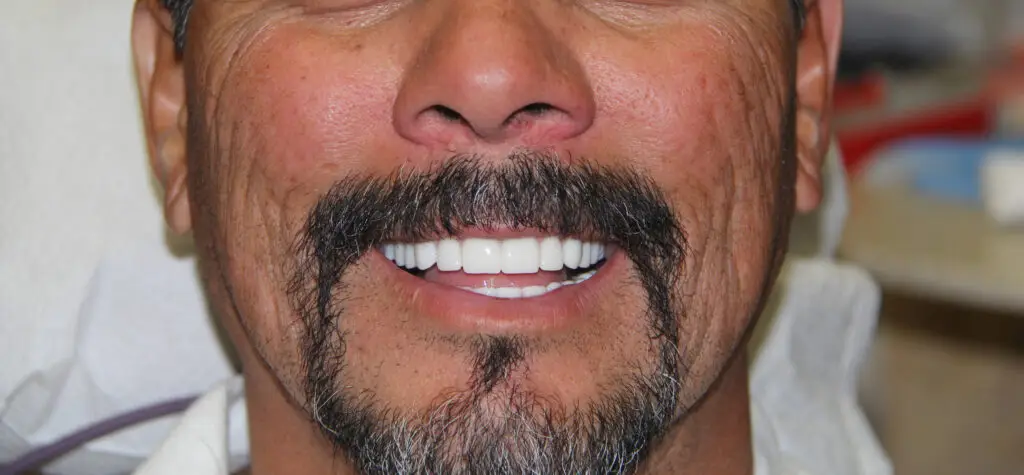

All-On-4 Implants Explained: Cost & Recovery | Golpa NexGen Smiles
All On 4 dental implants represent a revolutionary solution for individuals seeking a full arch restoration with minimal surgical intervention. This innovative procedure utilizes just four strategically placed implants to support a complete set of prosthetic teeth, offering a functional and aesthetic alternative to traditional dentures. In this comprehensive guide, we will explore the All On 4 dental implant procedure, including its costs, recovery process, benefits, and ideal candidacy criteria. Many patients struggle with the limitations of conventional dentures, which can lead to discomfort and reduced quality of life. All On 4 implants provide a stable and permanent solution, enhancing both oral function and appearance. We will delve into the surgical process, candidacy requirements, financial considerations, recovery management, and the associated benefits and risks.
What Is the All On 4 Dental Implant Procedure?
The All On 4 dental implant procedure is a modern approach to replacing missing teeth, utilizing four implants to support a full arch of prosthetic teeth. This technique is designed to maximize the use of available bone, allowing for immediate loading of the prosthesis in many cases. The procedure begins with a thorough evaluation of the patient’s oral health and bone structure, followed by the surgical placement of the implants. The importance of osseointegration, where the implants fuse with the jawbone, is crucial for the long-term success of the procedure.
A comprehensive review of the All On 4 treatment concept further elaborates on its indications, surgical procedures, and potential long-term outcomes.
All On Four Treatment: Indications, Procedures & Complications
To systematically review the literature on the “all-on-four” treatment concept regarding its indications, surgical procedures, prosthetic protocols and technical and biological complications after at least three years in function.
The all-on-four treatment concept: Systematic review, D Soto-Peñaloza, 2017
How Are the Four Implants Placed During Surgery?
During the All On 4 procedure, the four implants are strategically placed in the jawbone at specific angles to maximize stability and support for the prosthetic teeth. The surgery typically involves the following steps:
- Anesthesia Administration: Patients are given local anesthesia or sedation to ensure comfort during the procedure.
- Implant Placement: The dentist makes incisions in the gum tissue to expose the jawbone, where the implants are inserted.
- Prosthesis Attachment: Once the implants are in place, a temporary prosthesis may be attached, allowing patients to leave the office with functional teeth.
The entire surgical process usually takes a few hours, depending on the complexity of the case.
What Is the Osseointegration Process and Its Importance?

Osseointegration is the biological process through which the dental implants fuse with the jawbone, providing a stable foundation for the prosthetic teeth. This process typically takes several weeks to months and is critical for the long-term success of the All On 4 implants. Factors that can affect osseointegration include the patient’s overall health, bone quality, and adherence to post-operative care instructions. Successful osseointegration ensures that the implants can withstand the forces of chewing and provide a durable solution for tooth replacement.
Who Are the Ideal Candidates for All On 4 Dental Implants?
Ideal candidates for All On 4 dental implants are individuals who have lost most or all of their teeth and seek a permanent solution. Factors influencing candidacy include overall health, dental history, and bone density. Patients with certain medical conditions or those who smoke may need to undergo additional evaluations to determine their suitability for the procedure.
What Medical and Dental Factors Determine Eligibility?
Several medical and dental factors play a crucial role in determining eligibility for All On 4 implants:
- Health Conditions: Conditions such as uncontrolled diabetes or autoimmune diseases may affect healing and implant success.
- Dental History: A history of gum disease or tooth loss can impact the decision to proceed with implants.
- Consultation Importance: A thorough consultation with a dental professional is essential to assess individual circumstances and determine the best course of action.
How Does Bone Density Affect Patient Suitability?
Bone density is a critical factor in the success of All On 4 implants. Patients with insufficient bone density may require bone grafting procedures to enhance the jawbone before implant placement. Assessments typically involve imaging studies to evaluate bone quality and quantity. Solutions for low bone density may include:
- Bone Grafting: Augmenting the jawbone with graft material to provide adequate support for implants.
- Sinus Lifts: A surgical procedure to elevate the sinus floor and create more bone for implant placement.
Further research highlights how the strategic angulation of implants in the All On 4 procedure can often circumvent the need for extensive bone augmentation.
All On Four Implants: Angulated Placement & Bone Augmentation Avoidance
This article focuses on an alternative treatment procedure in which two posterior implants are placed at an angle and two anterior implants are placed axially thereby eliminating the need for sinus lift or bone augmentation procedures. This article broadly discusses this “All on Four” concept in all aspects, its effects on bone, prosthesis survival, forces acting etc along with various related studies.
Angulated implants: an alternative to bone augmentation and sinus lift procedure: systematic review, N Bulbule, 2015
What Are the Costs and Financing Options for All On 4 Implants?
The costs associated with All On 4 implants can vary significantly based on several factors, including the complexity of the case, geographic location, and the materials used for the prosthesis. Generally, All On 4 implants are more cost-effective than traditional implant methods, as they require fewer implants and less surgical time.
How Do All On 4 Costs Compare to Traditional Implants?
| Procedure Type | Average Cost | Number of Implants | Duration of Treatment |
|---|---|---|---|
| All On 4 | $20,000 – $30,000 | 4 | 1-2 days |
| Traditional Implants | $30,000 – $45,000 | 6-8 | 3-6 months |
This comparison highlights the potential savings and efficiency of the All On 4 approach, making it an attractive option for many patients.
What Financing Plans Are Available for Patients?
Patients considering All On 4 implants may have access to various financing options to help manage costs. Common financing plans include:
- Payment Plans: Many dental practices offer flexible payment plans that allow patients to spread the cost over time.
- Dental Insurance: Some insurance plans may cover a portion of the costs associated with dental implants, depending on the policy.
- Health Savings Accounts (HSAs): Patients can use HSAs to pay for qualified medical expenses, including dental procedures.
How Is Recovery Managed After All On 4 Dental Implant Surgery?

Recovery after All On 4 dental implant surgery is a crucial phase that requires careful management to ensure successful healing and integration of the implants. Patients can expect a recovery timeline that varies based on individual circumstances and adherence to post-operative care.
What Is the Typical Recovery Timeline?
The typical recovery timeline for All On 4 implants includes several phases:
- Immediate Recovery: Patients may experience swelling and discomfort for the first few days post-surgery, which can be managed with prescribed medications.
- Osseointegration Phase: This phase lasts several weeks, during which the implants fuse with the jawbone. Patients are advised to follow a soft diet and avoid strenuous activities.
- Final Restoration: After successful osseointegration, the final prosthesis is placed, completing the treatment process.
Which Aftercare Practices Promote Healing and Longevity?
Effective aftercare practices are essential for promoting healing and ensuring the longevity of All On 4 implants. Recommended practices include:
- Oral Hygiene: Maintaining excellent oral hygiene through regular brushing and flossing to prevent infection.
- Dietary Recommendations: Following a soft diet initially and gradually reintroducing harder foods as healing progresses.
- Follow-Up Care: Regular dental check-ups to monitor the health of the implants and surrounding tissues.
What Are the Benefits and Risks of All On 4 Dental Implants?
All On 4 implants offer numerous benefits, making them a popular choice for individuals seeking a permanent solution for tooth loss. However, like any surgical procedure, there are potential risks that patients should be aware of.
How Do All On 4 Implants Improve Oral Function and Aesthetics?
The benefits of All On 4 implants include:
- Enhanced Oral Function: Patients can enjoy improved chewing ability and speech, leading to a better quality of life.
- Aesthetic Improvements: The prosthetic teeth are designed to look and feel like natural teeth, enhancing the patient’s smile and confidence.
- Stability and Comfort: Unlike traditional dentures, All On 4 implants provide a secure fit, eliminating the discomfort associated with removable appliances.
What Potential Risks Should Patients Be Aware Of?
- Infection: As with any surgical procedure, there is a risk of infection at the implant site.
- Implant Failure: In some cases, the implants may not integrate properly with the bone, leading to failure.
- Nerve Damage: There is a small risk of nerve damage during the surgical placement of implants, which can result in numbness or pain.
For those seeking high-quality All On 4 dental implants, it is essential to consult with a qualified dental professional to discuss individual needs and treatment options. This comprehensive understanding of the procedure, costs, recovery, and potential risks will empower patients to make informed decisions about their oral health.