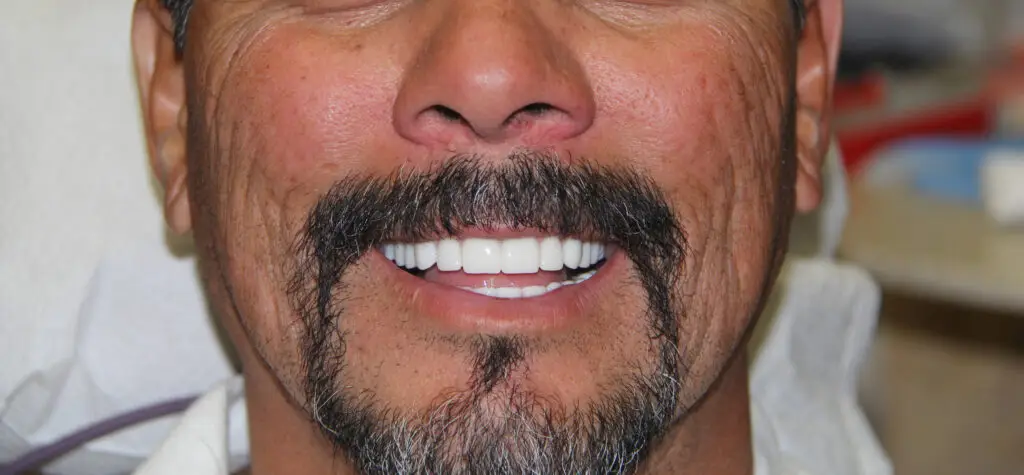

Are You a Candidate for Full Mouth Dental Implants? Dental Implant Candidacy Criteria Explained by NexGen Smiles
Full mouth dental implants represent a revolutionary solution for individuals facing significant tooth loss, offering a permanent and highly functional alternative to traditional, temporary prosthetics. At NexGen Smiles, we specialize in treating advanced and complex cases, including patients with severe bone loss who may have been told they are not candidates elsewhere. We emphasize that the long-term success of full mouth dental implants is rooted not merely in maintenance but in meticulous planning, surgical precision, and the extensive experience of the provider. Unlike conventional approaches that rely on temporary dentures requiring frequent adjustments, NexGen Smiles delivers permanent teeth in as little as 24 hours, ensuring lasting stability and superior outcomes. This article outlines the essential candidacy criteria, evaluation process, and the expertise behind achieving optimal results with full mouth dental implants under the care of Dr. Golpa, a leading expert in complex dental implant cases.
Eligibility Criteria
Determining eligibility for full mouth dental implants at NexGen Smiles involves stringent criteria designed to guarantee the highest standards of success. Candidates typically must have:
- Significant Tooth Loss: A substantial number of missing teeth or complete edentulism is necessary to consider full mouth implants.
- Robust Bone Structure: Adequate bone density and volume are critical to provide a stable foundation for implant placement, though NexGen Smiles is experienced in managing even severe bone loss cases.
- Healthy Oral Environment: Optimal gum health and absence of active infections are essential to minimize complications and support healing.
These criteria enable Dr. Golpa and his team to assess candidacy with precision, ensuring that each implant is positioned for long-term success, even in challenging situations.
Disqualifying Factors
Certain conditions may preclude patients from receiving full mouth dental implants, including:
- Uncontrolled Systemic Medical Conditions: Diseases such as poorly managed diabetes or cardiovascular issues can adversely affect surgical outcomes and healing.
- Inability to Commit to Post-Operative Care: While maintenance is not the sole determinant of success, patients must be able to follow post-procedure guidelines to support healing and implant integration.
Recognizing these factors early ensures patient safety and optimal treatment planning.
Guide to Full Mouth Dental Implant Candidacy by Golpa NexGen Smiles
Patients who benefit most from NexGen Smiles’ full mouth dental implants include:
- Individuals with Extensive Dental Challenges: Those who have lost multiple teeth due to decay, trauma, or periodontal disease and seek a permanent solution.
- Patients with Severe Bone Loss: Individuals who may have been told they are not candidates elsewhere but require advanced treatment options to restore function and aesthetics.
- Patients Desiring Immediate, Long-Term Results: Individuals who want to avoid the limitations of removable dentures and temporary prosthetics, opting instead for a stable, permanent restoration delivered rapidly.
Understanding these profiles allows Dr. Golpa to tailor treatment plans that address complex cases with expertise and precision.
Evaluation Process

The comprehensive evaluation process at NexGen Smiles includes:
- Detailed Oral and Medical Assessment: An in-depth review of dental history, current oral health, and overall medical status.
- Advanced 3D Imaging and Digital Scans: State-of-the-art imaging technologies precisely assess bone quality and anatomy to guide implant placement, especially critical for patients with severe bone loss.
- Expert Medical History Analysis: Careful consideration of systemic health factors that may influence surgical planning and healing.
This rigorous approach ensures that every aspect influencing implant success is thoroughly evaluated before proceeding.
What Are the Key Eligibility Criteria for Full Mouth Dental Implants?
Key eligibility factors emphasized by NexGen Smiles include:
- Age Considerations: Candidates should be adults with fully developed jawbones, typically 18 years or older.
- Oral and Bone Health: Sufficient bone density and healthy gums are prerequisites for stable implant integration, with advanced solutions available for those with compromised bone.
- Overall Health Status: Patients must be in a condition that supports surgical intervention and healing.
Meeting these criteria is fundamental to achieving the permanent, stable results that NexGen Smiles is known for.
How Does Bone Density Affect Full Arch Dental Implants Eligibility?
Bone density is a pivotal factor in candidacy for full arch dental implants. At NexGen Smiles, the evaluation includes:
- Precise Bone Density Requirements: Adequate bone mass is essential to anchor implants securely and ensure long-term stability, but NexGen Smiles has extensive experience in treating patients with severe bone loss through advanced techniques.
- Cutting-Edge Assessment Techniques: CT scans and other advanced imaging modalities provide detailed insights into bone quality and volume.
These assessments inform whether additional procedures, such as bone grafting or specialized implant protocols, are necessary to optimize implant success.
Bone Density & CT Scans for Dental Implant Success
CT is a useful tool to determine the bone density in the implant recipient sites, and the local bone density has a prevailing influence on primary implant stability, which is an important determinant for implant success.
Influence of bone density on implant stability parameters and implant success: a retrospective clinical study, I Turkyilmaz, 2008
- Strategic Planning for Success: When bone density is insufficient, NexGen Smiles employs advanced techniques to enhance the foundation, ensuring durable implant integration even in complex cases.
Understanding bone density’s role underscores the importance of expert evaluation and planning in achieving permanent dental restoration.
What Oral Health Conditions Influence Dental Implant Candidacy?
Several oral health factors are critical in determining candidacy, including:
- Bone Loss: Significant bone deterioration can compromise implant stability and may require preparatory treatments, which NexGen Smiles is equipped to provide for advanced cases.
- Gum Health: Active periodontal disease must be resolved prior to implant placement to prevent complications.
- Systemic Health Considerations: Conditions affecting healing capacity are carefully evaluated to mitigate risks.
Addressing these conditions through expert care is essential for the success of permanent full mouth implants.
Which Medical Conditions and Lifestyle Factors Impact Full Mouth Dental Implant Candidates?
Medical and lifestyle factors influencing candidacy include:
- Diabetes Management: Well-controlled diabetes patients may proceed safely, whereas uncontrolled diabetes poses significant risks.
- Smoking: Smoking adversely affects healing; however, patients committed to cessation before and after surgery may still qualify.
- Commitment to Care: While maintenance is important, the foundation of success lies in the quality of the initial procedure and provider expertise.
These considerations highlight the necessity of a thorough health evaluation and patient commitment to the treatment plan.
Can Smokers and Patients with Diabetes Qualify for Full Mouth Implants?
At NexGen Smiles, smokers and diabetic patients are evaluated with a nuanced approach:
- Smokers: Candidates who commit to quitting smoking around the time of surgery may be eligible, recognizing the impact of smoking on healing.
- Diabetic Patients: Those with well-managed diabetes can be considered candidates, while uncontrolled cases require stabilization prior to treatment.
Dr. Golpa’s extensive experience in managing complex cases ensures personalized care tailored to each patient’s health profile.
What Are Common Contraindications for Full Mouth Dental Implant Surgery?
Contraindications include:
- Poorly Controlled Medical Conditions: These increase surgical risks and compromise healing.
- Inability to Adhere to Post-Operative Protocols: While maintenance is not the sole factor, patient cooperation is necessary for optimal outcomes.
Identifying these contraindications is vital to patient safety and treatment success.
What Does the Full Mouth Dental Implant Procedure Involve and How Is Recovery Managed?
The NexGen Smiles full mouth dental implant procedure is characterized by precision and efficiency:
- Consultation and Advanced Imaging: Comprehensive assessments and digital planning set the foundation for success, especially in complex cases involving severe bone loss.
- Precision Implant Placement: Surgical insertion of implants is performed with expert care, often enabling permanent teeth delivery within 24 hours.
- Recovery and Follow-Up: Post-operative care focuses on supporting healing, with scheduled evaluations to monitor integration and function.
This approach contrasts sharply with traditional methods that rely on temporary prosthetics and prolonged adjustment periods.
What Are the Surgical Steps and Osseointegration Process?
The surgical and healing phases include:
- Accurate Surgical Placement: Implants are positioned with exacting precision to maximize stability, even in cases with compromised bone.
- Osseointegration: The natural process where bone fuses with the implant surface, providing a durable foundation.
- Success Factors: Bone quality, surgical expertise, and patient health collectively influence the outcome.
Dr. Golpa’s mastery in managing these factors ensures the longevity and functionality of the implants.
How Long Is the Recovery Time After Implant Surgery?
Recovery timelines typically include:
- Initial Healing Phase: Patients may experience mild swelling and discomfort for several days post-surgery.
- Complete Osseointegration: This process can span several months, during which follow-up visits are essential to confirm implant stability.
Understanding this timeline helps patients prepare for a smooth transition to permanent, stable teeth.
How Can You Maintain and Ensure Longevity of Full Mouth Dental Implants?
At NexGen Smiles, the emphasis on long-term success is founded on the quality of the initial procedure and the expertise of the provider rather than solely on maintenance. Key factors include:
- Comprehensive Treatment Planning: Customized surgical and restorative plans tailored to each patient’s anatomy and needs, including those with complex bone conditions.
- Precision Execution: Surgical accuracy and advanced technology ensure optimal implant placement and integration.
- Experienced Provider Care: Dr. Golpa’s extensive experience in complex cases underpins superior outcomes and durability.
While ongoing care is important, the cornerstone of lasting success is the excellence of the initial treatment.
What Oral Hygiene Practices Support Implant Success?

Effective oral care supports the longevity of full mouth dental implants and includes:
- Consistent Cleaning: Regular brushing and flossing to maintain a healthy oral environment and prevent infection.
- Professional Monitoring: Scheduled dental evaluations to detect and address any issues promptly.
These practices complement the foundational quality of the implant procedure to ensure enduring success.
How Often Should Full Mouth Dental Implants Be Checked and Maintained?
Regular professional assessments are essential to monitor implant health and function. Patients should:
- Attend Routine Dental Visits: Periodic check-ups allow for early detection of potential concerns.
- Receive Expert Care: Professional cleanings and evaluations by experienced providers help sustain implant integrity.
At NexGen Smiles, this ongoing care is integrated into a comprehensive treatment plan designed to preserve the permanent nature of the implants.