Introduction: Understanding Your Options for Dental Implants
If you’ve been researching dental implants, you’ve likely come across two very different approaches:
👉 Traditional dental implants
👉 Full-mouth implant solutions like NexGen
While both involve placing implants into the jawbone, the treatment experience, timeline, and final results can be dramatically different.
Understanding these differences is essential—because the choice you make will impact not only your smile, but your time, comfort, and long-term outcome.
What Are Traditional Dental Implants?
Traditional dental implants are typically used to replace one or a few missing teeth.
The process generally involves:
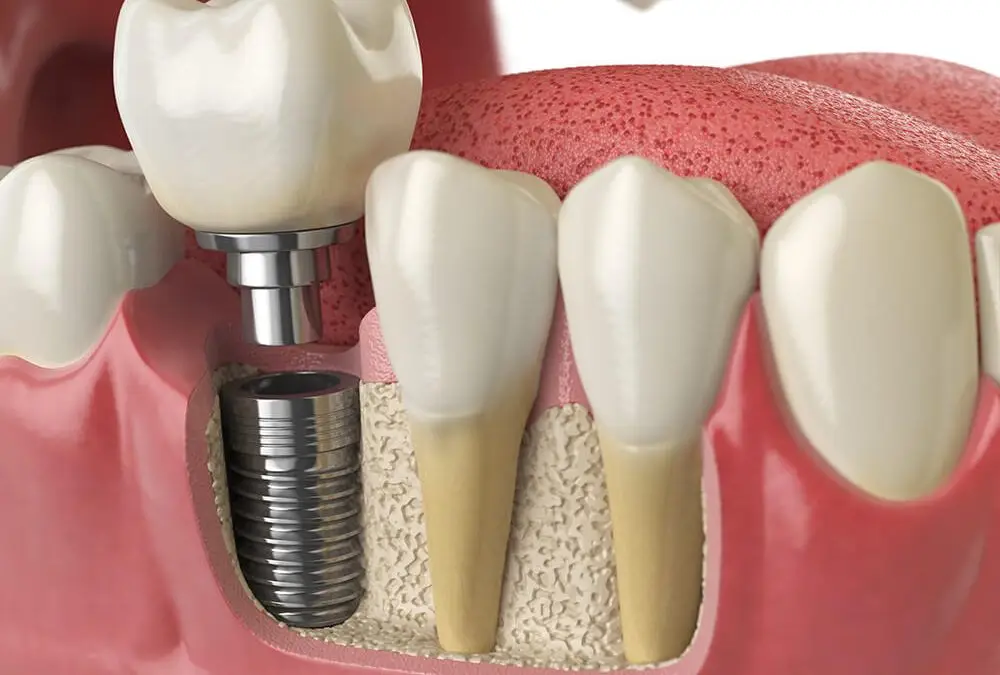
- Placing individual implants into the jawbone
- Allowing time for healing (osseointegration)
- Attaching crowns after several months
For small-scale tooth replacement, this approach can be effective and predictable.
What Is NexGen?
NexGen is an advanced full-mouth dental implant approach designed to replace an entire arch of teeth using a small number of strategically placed implants.
Rather than treating each tooth individually, NexGen focuses on:
- Replacing the full arch as a system
- Maximizing support and stability
- Delivering efficient, long-term solutions
👉 It is not just a different procedure—it’s a different philosophy.
Key Differences: NexGen vs Traditional Implants
1. Treatment Scope: Individual Teeth vs Full Arch
Traditional Implants:
- Replace one tooth at a time
- Multiple implants required for multiple missing teeth
- Not designed for full-mouth restoration efficiently
NexGen:
- Replaces an entire arch with a small number of implants
- Designed specifically for full-mouth transformation
👉 Why it matters: Treating the full arch as a system is more efficient and often more stable.
2. Timeline: Months vs Streamlined Treatment
Traditional Implants:
- Implant placement
- Healing period of 3–6 months (or longer)
- Final crowns placed after healing
NexGen:
- Streamlined workflow
- Many patients receive teeth quickly—often within a short timeframe
- Faster progression to a long-term solution
👉 Why it matters: Reduced waiting time means less disruption to your life.
3. Number of Implants Required
Traditional Implants:
- One implant per missing tooth
- Full mouth could require 20+ implants
NexGen:
- Typically uses 4–6 implants per arch
- Strategically placed for maximum support
👉 Why it matters: Fewer implants can mean less invasive treatment and a more efficient process.
4. Approach to Treatment: Sequential vs System-Based
Traditional Implants:
- Each tooth treated individually
- Multiple procedures over time
- Less integration between steps
NexGen:
- Entire treatment planned as a complete system
- Surgical, functional, and aesthetic elements aligned from the start
👉 Why it matters: A system-based approach leads to more predictable results.
5. Suitability for Complex Cases
Traditional Implants:
- Require adequate bone for each implant
- May require bone grafting for multiple areas
- Less ideal for severe bone loss
NexGen:
- Designed to handle complex conditions
- May incorporate advanced solutions for bone loss
- More adaptable for full-mouth cases
👉 Why it matters: More patients qualify for treatment with advanced approaches.
6. Function & Bite Dynamics
Traditional Implants:
- Individual crowns function independently
- Bite alignment may be adjusted across multiple stages
NexGen:
- Full arch designed as a single unit
- Balanced bite and function built into the design
👉 Why it matters: A coordinated system improves comfort and long-term performance.
7. Long-Term Maintenance
Traditional Implants:
- Multiple crowns to maintain
- Potential for issues across individual implants
NexGen:
- Integrated system
- Designed for long-term durability and function
👉 Why it matters: Simplicity and durability reduce long-term concerns.
When Traditional Implants Make Sense
Traditional implants may be appropriate if you:
- Are missing one or a few teeth
- Have strong bone support
- Do not require full-mouth restoration
In these cases, they remain a reliable solution.
When NexGen Is the Better Option
NexGen is often the better choice if you:
- Are missing most or all of your teeth
- Have failing or deteriorating teeth
- Wear dentures
- Want a faster, more efficient solution
- Prefer a long-term, comprehensive approach
The Patient Experience: A Different Journey
Traditional Implant Journey:
- Multiple procedures
- Extended healing periods
- Gradual progression toward final result
NexGen Experience:
- Streamlined process
- Coordinated treatment plan
- Faster transformation
- More immediate functional improvement
👉 Many patients prefer a solution that minimizes prolonged treatment phases.
What Is the NexGen Full-Mouth Implant Approach?
Cost structures differ significantly between the two approaches.
Traditional Implants:
- Cost per implant + crown
- Full mouth can become very expensive
- Multiple procedures add to total cost
NexGen:
- Full arch treated as a system
- Often more efficient for full-mouth cases
- Consolidated treatment approach
👉 For full-mouth restoration, NexGen can often provide better overall value.
Life After Treatment
Both approaches aim to restore function and aesthetics—but the experience can differ.
With NexGen, patients often experience:
- Immediate improvement in confidence
- Stable, natural-feeling teeth
- Freedom from prolonged treatment timelines
Conclusion: Choosing the Right Approach
Traditional dental implants remain an effective solution for individual tooth replacement.
However, for patients seeking full-mouth restoration, NexGen represents a more advanced, efficient, and comprehensive approach.
The decision ultimately depends on your specific needs—but understanding the difference allows you to make that decision with confidence.