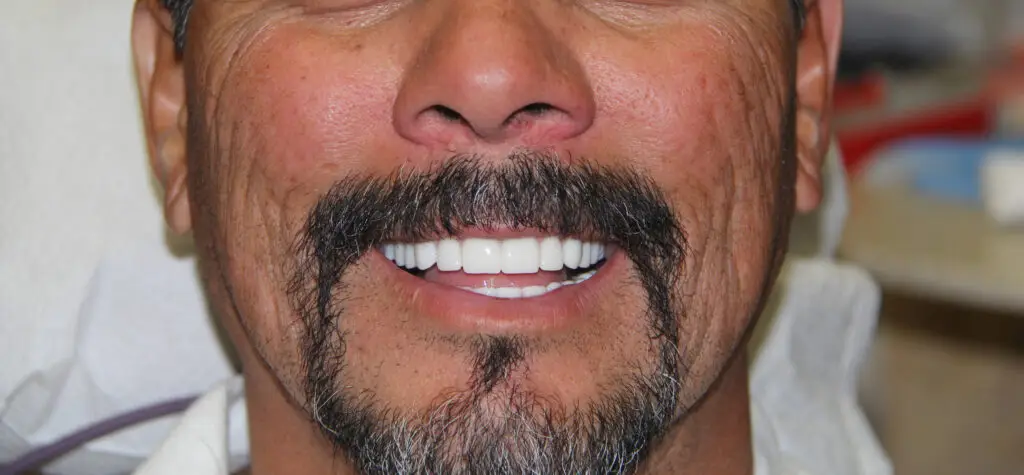

Introduction: When Implants Don’t Go as Planned
Dental implants are often considered a long-term, reliable solution—but like any complex medical procedure, outcomes depend heavily on planning, execution, and experience.
If you’re experiencing problems with your implants—or have already been told something isn’t right—you’re not alone.
👉 The most important thing to understand is this:
A failed dental implant is not the end of the road.
In many cases, it can be corrected—often with a stronger, more predictable long-term solution.
What Is a Failed Dental Implant?
A dental implant is considered “failed” when it does not function properly or cannot be maintained long-term.
This may include:
- The implant failing to integrate with the bone
- Loosening or movement
- Infection or inflammation
- Structural or mechanical issues
- Poor aesthetics or bite alignment
Failure can occur shortly after placement—or even years later.
Signs Your Dental Implants May Be Failing
Not all issues are obvious at first. Common warning signs include:
- Persistent pain or discomfort
- Movement or instability
- Swelling or signs of infection
- Difficulty chewing
- Uneven or unnatural bite
- Gum recession around the implant
If you’re experiencing any of these symptoms, it’s important to have your implants evaluated promptly.
Why Do Dental Implants Fail?
Implant failure is rarely caused by a single issue. Most cases involve a combination of factors.
1. Lack of Proper Integration
Dental implants must fuse with the bone to become stable. If this process fails, the implant cannot function properly.
2. Inadequate Treatment Planning
Successful implants begin with precise planning. Improper positioning, poor bite design, or lack of structural support can lead to long-term complications.
3. Low-Quality Materials or Design
The strength and durability of the restoration depend on the materials used. Lower-quality components may wear down or fail prematurely.
4. Infection (Peri-Implantitis)
Infection around the implant can lead to bone loss and instability if not properly managed.
5. Excessive Force or Misalignment
Improper bite alignment can place excessive stress on implants, leading to loosening or fracture over time.
6. Lack of Experience
Full mouth dental implants are highly technical procedures. Inexperience can lead to improper placement, poor design, and inconsistent outcomes.
Can Failed Implants Be Fixed?
👉 In many cases, yes.
Failed implants can often be corrected through a carefully planned revision process. The goal is not just to fix the problem—but to create a more stable, long-term solution.
The Implant Correction Process
Each case is unique, but the general process includes:
Step 1: Comprehensive Evaluation
Advanced imaging and diagnostics are used to identify the root cause of failure.
Step 2: Removal of Failed Implants (If Necessary)
If implants are unstable or improperly placed, they may need to be removed before rebuilding.
Step 3: Strategic Reconstruction
A new plan is developed based on your anatomy, bone structure, and long-term goals.
Step 4: Advanced Implant Placement
Implants are placed with improved positioning and structural support.
Step 5: Final Restoration
A new, custom-designed restoration is created for optimal strength, function, and aesthetics.
Expertise in Correcting Complex & Failed Cases
One of the most important factors in successful implant correction is experience.
Dr. Golpa’s approach is not only focused on full-mouth implant treatment—but also on correcting cases that did not achieve the desired outcome elsewhere.
Many patients seeking care have:
- Undergone implant procedures with unsatisfactory results
- Experienced complications due to improper planning or execution
- Been left with instability, discomfort, or aesthetic concerns
In these situations, correction requires more than standard implant knowledge—it requires a deep understanding of why the original treatment failed and how to rebuild it correctly.
A significant portion of advanced cases involve improving or correcting previous implant work that was not executed at the level required for long-term success.
👉 Patients often come seeking answers—and leave with a clear, structured plan for a more predictable outcome.
Advanced Solutions for Complex Failures
Some cases require more advanced techniques, especially when bone loss or structural issues are involved.
These may include:
- Alternative implant placement strategies
- Solutions for severe bone loss
- Rebuilding full-mouth cases from the ground up
The key is identifying the right approach based on the specific cause of failure.
Why Choosing the Right Provider Matters
Correcting failed implants is often more complex than the original procedure.
It requires:
- Advanced diagnostics
- Precision planning
- Extensive surgical experience
- A deep understanding of full-mouth reconstruction
👉 Not all providers are equipped to handle these cases.
Choosing a provider with experience in advanced implant correction and full-mouth reconstruction is critical to achieving a successful outcome.
What Patients Experience After Correction
Patients who undergo implant correction often report:
- Relief from pain or instability
- Improved function and comfort
- Better aesthetics and balance
- Restored confidence
Many describe the experience as finally getting the result they expected the first time.
Preventing Future Implant Problems
A successful correction plan is designed to prevent repeat issues.
This includes:
- Proper implant placement
- Balanced bite design
- High-quality materials
- Long-term maintenance planning
👉 The focus is not just on fixing the problem—but ensuring lasting success.
The Emotional Side of Implant Failure
Experiencing implant failure can be frustrating and discouraging.
Patients often feel:
- Disappointed
- Hesitant to try again
- Concerned about repeating the same experience
But with the right approach, a second attempt can lead to a completely different—and successful—outcome.
Conclusion: A Second Chance at a Successful Outcome
A failed dental implant does not mean implants aren’t right for you.
In many cases, it means:
👉 The original approach needs to be corrected
With proper evaluation and advanced planning, a revised solution can provide:
- Stability
- Function
- Long-term success