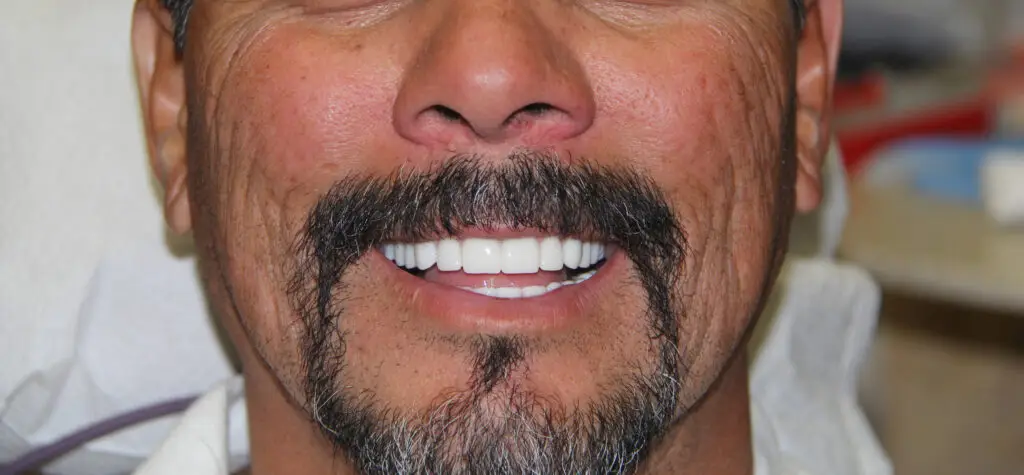

Full Mouth Dental Implants: Comprehensive Guide to Permanent Teeth Solutions and Recovery
By Dr. Mike Golpa, Golpa NexGen Smiles
Full mouth dental implants represent a revolutionary solution for individuals seeking permanent teeth replacements. This comprehensive guide delves into the intricacies of full mouth dental implants, exploring their benefits, recovery processes, and long-term maintenance. Many patients face challenges with traditional dentures, which can be uncomfortable and unstable. Full mouth implants offer a more secure and aesthetically pleasing alternative, restoring not just functionality but also confidence. Throughout this article, we will cover essential topics, including the recovery timeline, factors influencing longevity, and the unique advantages of choosing advanced dental protocols.
Comprehensive Guide to Full Mouth Dental Implants
Full mouth dental implants are a sophisticated dental solution designed to replace an entire arch of teeth with a fixed prosthesis anchored by titanium implants. Unlike traditional dentures, which can slip and require adhesives, full mouth implants provide a stable and permanent solution. This method involves placing multiple implants in the jawbone, which serve as a foundation for prosthetic teeth. The benefits of full mouth dental implants include improved oral function, enhanced aesthetics, and increased comfort.
Overview of Full Mouth Dental Implants
Full mouth dental implants function by integrating titanium implants into the jawbone, which supports a full arch of prosthetic teeth. This process not only restores the ability to chew and speak effectively but also helps maintain the jawbone’s integrity, preventing bone loss that often accompanies tooth loss. Patients who are eligible for this procedure typically have sufficient bone density or can undergo bone grafting to ensure successful implant placement.
Recovery Process

The recovery process after full mouth dental implant surgery varies among individuals but generally follows a predictable timeline. Initially, patients may experience swelling and discomfort, which can be managed with prescribed medications.
- First Week: Patients should rest and follow a soft food diet to aid healing.
- 2-4 Weeks: Most swelling subsides, and patients can gradually return to normal activities.
- 3-6 Months: Osseointegration occurs, where the implants fuse with the jawbone, providing a stable foundation for the prosthetic teeth.
Understanding this timeline helps set realistic expectations for recovery and encourages adherence to post-operative care instructions.
Long-Term Maintenance

Maintaining full mouth dental implants requires diligent oral hygiene and regular dental check-ups. Key practices include:
- Daily Brushing and Flossing: Keeping the implants and surrounding gums clean is crucial for preventing infection.
- Regular Dental Visits: Professional cleanings and examinations help monitor the health of the implants and surrounding tissues.
- Lifestyle Adjustments: Avoiding tobacco and excessive alcohol can enhance the longevity of the implants.
These maintenance strategies are essential for ensuring the long-term success of full mouth dental implants.
Factors Influencing Longevity
Several factors can influence the longevity of full mouth dental implants. These include:
- Bone Health: Adequate bone density is critical for implant stability. Patients with severe bone loss may require additional procedures, such as bone grafting, before implant placement.
- Material Quality: The quality of the titanium used in implants can affect their durability and resistance to corrosion.
- Provider Experience: The skill and experience of the dental professional performing the procedure play a significant role in the success of the implants.
Understanding these factors can help patients make informed decisions regarding their dental care.
Full Mouth Dental Implants: Benefits & Recovery Golpa NexGen Smiles
Full mouth dental implants are designed to replace an entire set of teeth, providing a permanent solution for those who have lost most or all of their natural teeth. The implants are surgically placed into the jawbone, where they fuse over time, creating a strong foundation for the prosthetic teeth. This innovative approach not only restores functionality but also enhances the aesthetic appearance of the smile, allowing individuals to regain confidence in their appearance.
How Full Mouth Implants Differ from Traditional All On 4 Solutions
While both full mouth implants and All On 4 solutions aim to provide a complete set of teeth, they differ in their approach. All On 4 utilizes only four strategically placed implants to support an entire arch of prosthetic teeth, making it a less invasive option. In contrast, full mouth implants may require more implants for added stability and support. Patients should consult with their dental provider to determine which option best suits their needs.
Further research has explored the biomechanical differences between various implant configurations, such as All-on-Four and All-on-Six.
All-on-Four vs. All-on-Six Full Mouth Implants
The present study compared biomechanical behaviors of two different treatment concepts of edentulism with full-mouth rehabilitation with dental implants (all-on-four-Model A and all-on-six-Model B) using three-dimensional finite element analysis.
Comparison between all-on-four and all-on-six treatment concepts on stress distribution for full-mouth rehabilitation using three-dimensional finite element analysis: A …, A Pandey, 2023
Studies have also investigated the long-term effectiveness and patient satisfaction associated with the All-on-Four concept.
All-on-Four Implants: Patient Satisfaction & Long-Term Effectiveness
OHRQoL and satisfaction in patients whose rehabilitation was based on the all-on-four concept were high. However, the current evidence is still limited by the quality of the available studies, making long-term randomized studies necessary to establish the real effectiveness of this surgical-prosthetic approach.
Oral health-related quality of life and satisfaction in edentulous patients rehabilitated with implant-supported full dentures all-on-four concept: a systematic review, EP Rocha, 2022
How Do Advanced Implant Protocols Enable Permanent Teeth in 24 Hours?
Advanced implant protocols, such as immediate loading techniques, allow for the placement of temporary prosthetic teeth on the same day as the implant surgery. This innovative approach is particularly beneficial for patients who require immediate restoration of function and aesthetics. By utilizing advanced imaging and surgical techniques, dental professionals can ensure that the implants are placed accurately, allowing for a quicker recovery and immediate use of the prosthetic teeth.
The efficacy of immediate loading techniques has been demonstrated through various clinical studies, including long-term follow-ups.
Immediate Loading Dental Implants: 7-Year Follow-up
93 implants were inserted and loaded within a 24-hour time period in 30 patients (18 men and 12 women; mean age, 52.3 years; range, 32 to 72 years) at the Department of Oral Surgery, University of Chieti, Chieti, Italy, approved the protocol. All the patients gave their informed consent.
A 7-year follow-up of 93 immediately loaded titanium dental implants, 2005
What Are the Key Steps in Immediate Dental Implant Placement?
Immediate dental implant placement involves several critical steps:
- Comprehensive Evaluation: A thorough assessment of the patient’s oral health and bone structure is conducted.
- Surgical Planning: Advanced imaging techniques are used to plan the precise placement of the implants.
- Implant Placement: The implants are surgically inserted into the jawbone, often with temporary prosthetics attached.
- Post-Operative Care: Patients receive detailed instructions for care and follow-up appointments to monitor healing.
These steps are essential for ensuring the success of immediate dental implant placement.
Who Are the Dental Implant Specialists Leading These Advanced Treatments?
Dr. Mike Golpa and the team at NexGen Smiles are recognized leaders in the field of full mouth dental implants. With a focus on advanced protocols, they specialize in providing patients with permanent teeth solutions that can be delivered in as little as 24 hours. Their expertise and commitment to patient care ensure that individuals receive the highest quality of dental treatment.
How Are Severe Bone Loss Cases Treated with Full Mouth Dental Implants?
Patients with severe bone loss may require additional procedures, such as bone grafting, to create a stable foundation for implants. This process involves transplanting bone tissue to the jaw, allowing for successful implant placement. Once the bone has healed and integrated with the graft, full mouth dental implants can be placed, restoring function and aesthetics.
What Is the Typical Recovery Time After Full Mouth Dental Implant Surgery?
The recovery time after full mouth dental implant surgery typically ranges from a few weeks to several months, depending on individual healing rates and the complexity of the procedure. Patients can expect to return to normal activities within a few weeks, but complete healing and integration of the implants may take up to six months. Adhering to post-operative care instructions is crucial for a smooth recovery.
How Do Patient Outcomes and Testimonials Reflect Implant Success Rates?
Patient outcomes and testimonials often highlight the high success rates associated with full mouth dental implants. Many individuals report significant improvements in their quality of life, including enhanced ability to eat, speak, and smile confidently. Clinical studies indicate that success rates for dental implants can exceed 95%, making them a reliable option for tooth replacement.
What Are the Cost and Financing Options for Full Mouth Dental Implants?
The cost of full mouth dental implants can vary significantly based on factors such as the number of implants required, the complexity of the procedure, and the materials used. Patients should discuss financing options with their dental provider to explore payment plans and insurance coverage. Choosing NexGen Smiles for full mouth dental implants can provide access to advanced treatment options and personalized care, ensuring a positive experience throughout the process.
Different benefits of full mouth dental implants can be summarized as follows:
| Benefit | Description | Impact Level |
|---|---|---|
| Improved Functionality | Restores chewing and speaking abilities | High |
| Enhanced Aesthetics | Provides a natural-looking smile | High |
| Increased Comfort | Eliminates the discomfort associated with dentures | High |
This table illustrates the significant advantages of opting for full mouth dental implants, emphasizing their role in improving overall quality of life for patients.