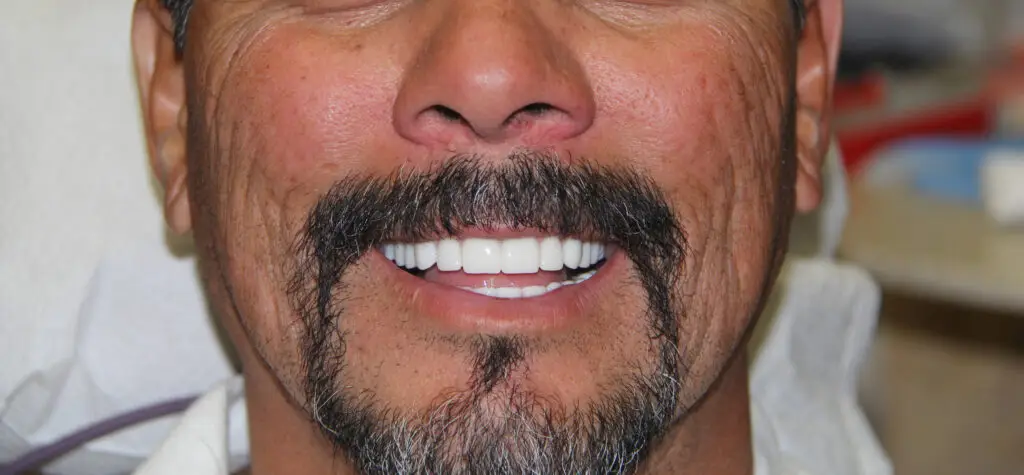

Comprehensive Guide to Surgical Teeth: Full Mouth Dental Implants and Immediate Permanent Teeth Solutions
By Dr. Mike Golpa, Golpa NexGen Smiles
Surgical teeth solutions, particularly full mouth dental implants, have revolutionized the way individuals approach tooth loss and restoration. This comprehensive guide will delve into the intricacies of full mouth dental implants, exploring their benefits, procedures, and the innovative immediate permanent teeth solutions available today. Many patients face challenges with traditional dentures, which can be uncomfortable and unstable. Full mouth dental implants offer a permanent solution that not only restores functionality but also enhances aesthetic appeal. Throughout this article, we will cover the various aspects of full mouth dental implants, including their benefits, the procedures involved, and how NexGen Smiles, led by Dr. Mike Golpa, is at the forefront of this transformative dental technology.
Overview of Full Mouth Dental Implants
Full mouth dental implants are a sophisticated solution for individuals who have lost most or all of their teeth. Unlike traditional dentures, which can slip and cause discomfort, full mouth dental implants are anchored securely into the jawbone, providing a stable and permanent foundation for artificial teeth. This method involves the surgical placement of titanium implants that fuse with the bone through a process called osseointegration. The result is a set of fixed teeth that look and function like natural ones, significantly improving the quality of life for patients.
Immediate Permanent Teeth Solutions

Immediate permanent teeth solutions allow patients to receive their new teeth on the same day as their implant surgery. This innovative approach involves a thorough consultation and imaging process to create customized treatment plans tailored to each patient’s unique needs. After the surgical placement of the implants, temporary teeth are often attached, allowing patients to leave the office with a functional smile. This method not only reduces the waiting time for permanent teeth but also enhances patient satisfaction and confidence.
Benefits of Full Mouth Dental Implants
Full mouth dental implants offer numerous advantages over traditional dental solutions. Here are some key benefits:
- Immediate Results: Patients can enjoy a functional set of teeth on the same day as their surgery.
- Long-term Stability: Implants are designed to last for many years, often a lifetime, with proper care.
- Enhanced Confidence: A natural-looking smile boosts self-esteem and encourages social interaction.
The unique value propositions of NexGen Smiles, led by Dr. Mike Golpa, further enhance these benefits. With advanced protocols and extensive experience, they ensure that patients receive the highest quality care and outcomes.
Full Mouth Dental Implants & Immediate Teeth – Golpa NexGen Smiles
The process of obtaining full mouth dental implants typically involves several key steps. Initially, a comprehensive evaluation is conducted, including imaging and assessments of the patient’s oral health. Following this, the surgical procedure is performed, where titanium implants are placed into the jawbone. After a healing period, during which osseointegration occurs, abutments are attached, and the final prosthetic teeth are placed. Post-operative care is crucial to ensure the success of the implants and the overall health of the patient.
What to Expect During the 24-Hour Permanent Teeth Delivery Timeline
Patients can expect a streamlined process during the 24-hour timeline for receiving their permanent teeth. After the initial consultation and imaging, the surgical procedure is performed, followed by the immediate attachment of temporary teeth. Within 24 hours, patients can transition to their permanent teeth, significantly reducing the waiting period typically associated with traditional implant procedures.
Maintenance and Longevity of Implants
Maintaining full mouth dental implants is essential for their longevity and functionality. Here are some key guidelines:
- Good Oral Hygiene Practices: Regular brushing and flossing are crucial to prevent infection and maintain gum health.
- Routine Dental Check-ups: Regular visits to the dentist ensure that any potential issues are addressed promptly.
- Avoiding Harmful Habits: Patients should refrain from smoking and excessive alcohol consumption, which can negatively impact oral health.
By adhering to these maintenance practices, patients can enjoy their implants for many years.
How NexGen Smiles and Dr Mike Golpa Lead in Advanced Surgical Teeth Solutions
NexGen Smiles, under the leadership of Dr. Mike Golpa, is recognized for its expertise in full mouth dental implants. The clinic specializes in immediate-load solutions, utilizing advanced digital planning techniques to ensure precision and optimal outcomes. Additionally, having an in-house lab allows for customized prosthetics that meet the specific needs of each patient, enhancing both comfort and aesthetics.
How Do Immediate Dental Implants Deliver Permanent Teeth Within 24 Hours?
Immediate dental implants are designed to provide patients with permanent teeth within a remarkably short timeframe. The process begins with a thorough consultation, where imaging and planning are conducted to ensure the best possible outcome. During the surgical procedure, implants are placed, and temporary teeth are attached. This innovative approach allows patients to leave the office with a functional smile, significantly improving their quality of life.
Research supports the efficacy and success rates of immediately loaded titanium dental implants over a significant follow-up period.
Immediate Loading of Titanium Dental Implants
A total of 93 implants were inserted and loaded within a 24-hour time frame. Six implants were lost during the 7-year follow-up period, for a cumulative success rate of 93.5%. The mean marginal bone resorption at prosthetic delivery was 0.9 mm for loaded implants and 0.33 mm for nonloaded implants.
A 7-year follow-up of 93 immediately loaded titanium dental implants, 2005
Differences Between Immediate Permanent Teeth and Traditional All on 4 Implants
Immediate permanent teeth differ from traditional All on 4 implants in several key ways:
- Fewer Implants Required: Immediate solutions often require fewer implants than traditional methods.
- Temporary Teeth First: Patients typically receive temporary teeth immediately after surgery, enhancing comfort and functionality.
- Bone Requirements: Immediate implants may have different bone requirements compared to traditional All on 4 methods, making them suitable for a broader range of patients.
How Is Severe Bone Loss Managed in Surgical Teeth Implant Patients?
Managing severe bone loss in patients requiring surgical teeth implants is a critical aspect of the treatment process. Techniques such as zygomatic implants and strategic implant placement are employed to ensure stability and support. Additionally, alternative anchoring methods may be utilized to provide a secure foundation for the implants, even in cases of significant bone loss.
Studies have also investigated the long-term survival and potential complications of zygomatic implants, particularly when used with immediate function protocols.
Zygomatic Implants: Immediate Function & Complications
Thirty-seven studies were identified without repetition and five more studies were included by hand-searching, giving a total of 42; 12 evaluated the use of ZI applied with immediate function protocols and 3 for rehabilitating patients after maxillary resections for tumor ablations. Postoperative complications reported were as follows: 70 cases of sinusitis, 48 of soft tissue infection, 15 of paresthesia, and 17 cases of oroantral fistulas. The CSR over a 12-year period was 96.7 %.
Survival and complications of zygomatic implants: a systematic review, BR Chrcanovic, 2013
Advanced Bone Graft Dental Implants and Regeneration Techniques

Advanced bone grafting techniques play a vital role in the success of dental implants, particularly for patients with insufficient bone density. These techniques involve the use of graft materials to stimulate bone growth and provide a solid foundation for implants. Zygomatic implants, which anchor into the cheekbone, are also an option for patients with severe bone loss, allowing for immediate teeth solutions.
Case Studies Highlighting Complex Bone Loss Treatments by Dr Mike Golpa
Dr. Mike Golpa has successfully treated numerous patients with complex bone loss issues through innovative techniques and personalized care. Case studies demonstrate the effectiveness of advanced diagnostics and tailored treatment plans, showcasing the transformative impact of full mouth dental implants on patients’ lives. These real-world examples highlight the importance of expertise and experience in achieving successful outcomes.
What Are the Recovery Protocols and Patient Outcomes for Surgical Teeth Implants?
Recovery protocols following surgical teeth implant procedures are crucial for ensuring optimal healing and success. Patients are typically advised to follow specific guidelines, including:
- Post-operative Care: Adhering to prescribed care routines to minimize discomfort and promote healing.
- Expected Outcomes: Most patients experience significant improvements in function and aesthetics within a few weeks.
- Patient Testimonials: Many patients report high satisfaction levels, noting the positive impact on their quality of life.
How Do All On 4 Dental Implants Compare to Other Surgical Teeth Implant Methods?
All on 4 dental implants offer a unique approach to tooth restoration, providing several advantages over other methods. Key comparisons include:
- Advantages of All on 4: This method requires fewer implants and can often be completed in a single day.
- Limitations of All on 4: Some patients may not be suitable candidates due to specific bone requirements.
- Comparative Effectiveness: All on 4 implants are highly effective for many patients, but individual assessments are necessary to determine the best approach.
A systematic review provides further insight into the indications, procedures, and potential complications associated with the All-on-Four treatment concept.
All-on-Four Dental Implants: Procedures & Outcomes
To systematically review the literature on the “all-on-four” treatment concept regarding its indications, surgical procedures, prosthetic protocols and technical and biological complications after at least three years in function.
The all-on-four treatment concept: Systematic review, D Soto-Peñaloza, 2017
Advantages and Limitations of All On 4 Versus Permanent Teeth Implants
When considering All on 4 implants versus traditional permanent teeth implants, several factors come into play:
- Fewer Implants Required: All on 4 typically uses fewer implants, making it a less invasive option.
- Temporary Teeth First: Patients often receive temporary teeth immediately, enhancing their experience.
- Bone Requirements: Traditional implants may require more extensive bone preparation, which can be a limiting factor for some patients.
Cost Factors and Longevity Considerations for Different Implant Types
The cost of dental implants can vary significantly based on several factors, including the type of implant used and the complexity of the procedure. Key considerations include:
- Material Costs: The choice of materials, such as titanium or zirconia, can impact overall costs.
- Implant Lifespan: Full mouth dental implants are designed for longevity, often lasting many years with proper care.
- Maintenance Requirements: Regular care and regular dental check-ups are essential for ensuring the longevity of implants.
Different implant types offer varying benefits and costs, making it essential for patients to discuss their options with a qualified dental professional.