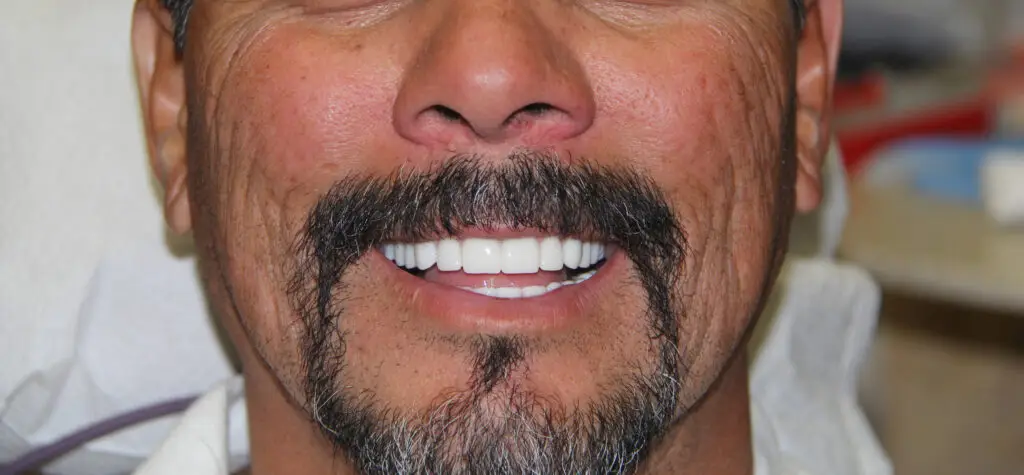

Comprehensive Guide to Periodontics and Dental Implants: Treatment, Procedures, and Aftercare
By Dr. Mike Golpa, Golpa NexGen Smiles
Periodontics and dental implants are crucial components of modern dentistry, focusing on the prevention, diagnosis, and treatment of periodontal disease, as well as the placement of dental implants for tooth restoration. This comprehensive guide will delve into the signs and symptoms of gum disease, effective treatment options, the dental implant procedure, and essential aftercare instructions. Understanding these aspects is vital for anyone considering dental implants, especially as untreated gum disease can significantly impact the success of these procedures. We will explore the importance of early diagnosis, the steps involved in dental implant procedures, and how NexGen Smiles stands out in providing advanced solutions for full mouth restoration.
What Are the Signs and Symptoms of Gum Disease?
Gum disease, also known as periodontal disease, is a common condition that can lead to serious dental issues if left untreated. It is characterized by inflammation and infection of the gums, which can progress to affect the bone that supports the teeth. Recognizing the signs and symptoms early is crucial for effective treatment and maintaining oral health.
How to Recognize Early and Advanced Gum Disease Symptoms
Early symptoms of gum disease include redness, swelling, and bleeding of the gums, particularly during brushing or flossing. As the condition progresses, more severe symptoms may develop, such as persistent bad breath, receding gums, and loose teeth. Advanced gum disease can lead to tooth loss and other serious health complications, making it essential to seek dental care at the first sign of these symptoms.
Indeed, research consistently highlights the significant long-term risks that periodontal disease poses to the success of dental implants.
Periodontal Disease Risk for Implant Failure
The results of the present study support the evidence that long-term dental implant success might be jeopardized in patients with periodontal disease in the long run.
Periodontal disease as a risk for dental implant failure over time: a long‐term historical cohort study, L Levin, 2011
Why Early Diagnosis of Gum Disease Matters for Dental Implants
Early diagnosis of gum disease is critical for the success of dental implants. Untreated gum disease can lead to bone loss, which compromises the stability of implants. Studies show that patients with healthy gums have a significantly higher success rate with dental implants. Therefore, addressing gum disease promptly can prevent complications and ensure a favorable outcome for dental restoration procedures.
Further emphasizing the critical role of timely intervention, advancements in diagnostic methods are continuously being explored to detect peri-implant and periodontal issues even before clinical signs become apparent.
Early Diagnosis of Peri-Implant & Periodontal Diseases
The diagnosis of peri-implantar and periodontal relies mainly on a set of clinical measures and the evaluation of radiographic images. However, these clinical settings alone are not sufficient to determine, much less predict, periimplant bone loss or future implant failure. Early diagnosis of peri-implant diseases and its rate of progress may be possible through biomarkers assessment. Once identified, biomarkers of peri-implant and periodontal tissue destruction may alert the clinicians before clinical signs show up. Therefore, it is important to consider developing chair-side diagnostic tests with specificity for a particular biomarker, indicating the current activity of the disease.
Peri-implant diseases diagnosis, prognosis and dental implant monitoring:
A narrative review of novel strategies and clinical impact, A Correia, 2023
What Are the Effective Gum Disease Treatment Options?

There are several effective treatment options available for gum disease, ranging from non-surgical methods to advanced periodontal therapies. The choice of treatment depends on the severity of the disease and the individual patient’s needs.
Non-Surgical Treatments for Gum Disease: Scaling and Root Planing
Scaling and root planing is a common non-surgical treatment for gum disease. This procedure involves the thorough cleaning of the teeth and gums to remove plaque and tartar buildup. Scaling removes deposits from the tooth surfaces, while root planing smooths the roots to promote healing and reattachment of the gums. This treatment is effective for patients with mild to moderate gum disease and can significantly improve gum health.
Advanced Periodontics for Severe Cases and Bone Loss
For more severe cases of gum disease, advanced periodontics may be necessary. This can include surgical interventions such as flap surgery, bone grafting, or guided tissue regeneration. These procedures aim to restore lost bone and gum tissue, providing a healthier foundation for dental implants. Advanced techniques in periodontics are essential for patients with significant bone loss, ensuring that they can successfully receive dental implants.
Complete Guide to Periodontics & Dental Implants: Golpa NexGen Smiles

- Consultation and Imaging: The process begins with a thorough consultation, including imaging studies to assess the condition of the jawbone and gums.
- Customized Treatment Plan: Based on the assessment, a personalized treatment plan is developed to address the specific needs of the patient.
- Implant Placement: The dental implants, typically made of titanium, are surgically placed into the jawbone. This step is crucial for establishing a stable foundation for the replacement teeth.
- Healing Period: After placement, a healing period is necessary for the implants to integrate with the bone, a process known as osseointegration.
- Final Restoration: Once healing is complete, custom-made crowns or bridges are attached to the implants, completing the restoration.
How NexGen Smiles Performs Full Mouth Dental Implants with Permanent Teeth in 24 Hours
NexGen Smiles utilizes advanced techniques to provide full mouth dental implants with permanent teeth in just 24 hours. This rapid approach is made possible through the use of cutting-edge technology and experienced professionals who specialize in implantology. By employing unique protocols for immediate teeth delivery, NexGen Smiles ensures that patients leave with a functional and aesthetically pleasing smile in a single visit.
How Does NexGen Smiles Differentiate from Traditional All on 4 Procedures?
NexGen Smiles distinguishes itself from traditional All on 4 procedures through its focus on delivering permanent teeth solutions rather than temporary options. This commitment to quality and patient satisfaction sets NexGen Smiles apart in the field of dental implants.
Why Permanent Teeth Delivery Matters Compared to Temporary Solutions
The delivery of permanent teeth offers numerous advantages over temporary solutions. Permanent teeth provide better functionality, improved aesthetics, and greater patient satisfaction. Patients can enjoy a natural-looking smile and the ability to eat a wider variety of foods without the limitations often associated with temporary dentures.
Advanced Protocols for Complex Cases at NexGen Smiles
NexGen Smiles employs advanced protocols for handling complex cases, including those involving severe bone loss. These protocols are designed to ensure optimal outcomes for patients who may have previously been deemed unsuitable for dental implants. By utilizing innovative techniques and materials, NexGen Smiles can provide effective solutions tailored to individual patient needs.
What Are the Cost and Financing Options for Full Mouth Dental Implants?
Understanding the cost of full mouth dental implants is essential for patients considering this transformative procedure. The overall cost can vary based on several factors, including the complexity of the case and the materials used.
Understanding the Cost Factors of Full Mouth Dental Implants
- Type of Implants: The choice between standard implants and advanced options can affect pricing.
- Additional Procedures: Costs may increase if bone grafting or other preparatory procedures are necessary.
- Location and Provider: The geographical location and expertise of the dental provider can also impact the overall cost.
Available Financing Plans and Insurance Considerations
Many dental practices, including NexGen Smiles, offer financing plans to help patients manage the cost of dental implants. Insurance coverage may also be available, depending on the specific policy and the nature of the procedure. Patients are encouraged to discuss financing options with their dental provider to find a plan that suits their budget.
What Are the Essential Dental Implant Aftercare Instructions for Long-Term Success?
Proper aftercare following dental implant placement is crucial for ensuring the longevity and success of the implants. Patients should adhere to specific guidelines to promote healing and prevent complications.
As the prevalence of dental implants grows, establishing comprehensive and patient-focused maintenance protocols becomes increasingly vital for ensuring their long-term health and survival.
Essential Dental Implant Maintenance & Aftercare
As increasing number of dental implants are being placed in the general population, the need to develop a maintenance protocol that caters to the needs of the patients has become essential. Historically, dental implants were predominantly placed in the early edentulous population; however, the shift of placements to the wider population means that a patient-focused approach to peri-implant maintenance therapy (PIMT) and the effect this has on biological complications and implant survival need to be considered.
Implant Maintenance and Aftercare, C Barclay, 2024
Step-by-Step Aftercare Guidelines Following Full Mouth Implants
- Maintain Oral Hygiene: Brush and floss regularly to keep the implant site clean.
- Follow Dietary Recommendations: Avoid hard or sticky foods during the initial healing phase.
- Attend Follow-Up Appointments: Regular check-ups with the dental provider are essential for monitoring healing and implant integration.
How Proper Aftercare Prevents Complications and Ensures Implant Longevity
Adhering to aftercare instructions significantly reduces the risk of complications such as infection or implant failure. Proper care not only promotes healing but also ensures that the implants remain functional and aesthetically pleasing for years to come. By following these guidelines, patients can enjoy the benefits of their dental implants and maintain their oral health effectively.