
Complete Guide to Mouth Dental Implants Recovery: Post-Surgery Care and Healing Timeline
By Dr. Mike Golpa, Golpa NexGen Smiles
Recovering from full mouth dental implants is a significant journey that requires careful attention to post-operative care and understanding the healing timeline. This guide will provide you with essential insights into what to expect during your recovery, including the stages of healing, pain management strategies, dietary recommendations, and the impact of severe bone loss on recovery. Many patients experience anxiety about the recovery process, but with the right information and support, you can navigate this period successfully. We will explore the typical recovery timeline, effective pain management techniques, recommended foods, and the importance of provider expertise, particularly in complex cases.
What Is the Typical Recovery Timeline for Full Mouth Dental Implants?
The recovery timeline for full mouth dental implants typically spans several weeks, with most patients experiencing significant healing within 3 to 6 months. This timeline can vary based on individual health factors, the complexity of the procedure, and adherence to post-operative care instructions. Understanding the recovery phases is crucial for setting realistic expectations and ensuring a smooth healing process.
Which Healing Stages Should Patients Expect After Implant Surgery?
After implant surgery, patients can expect three primary healing stages. The initial recovery phase lasts about 24-48 hours, during which swelling and discomfort are common. The mid-term healing phase, occurring from one week to several weeks post-surgery, involves the integration of the implants with the jawbone, known as osseointegration. Finally, the long-term integration phase can take several months, where the implants stabilize and the surrounding tissues heal completely.
How Does Permanent Teeth Delivery Within 24 Hours Impact Recovery?
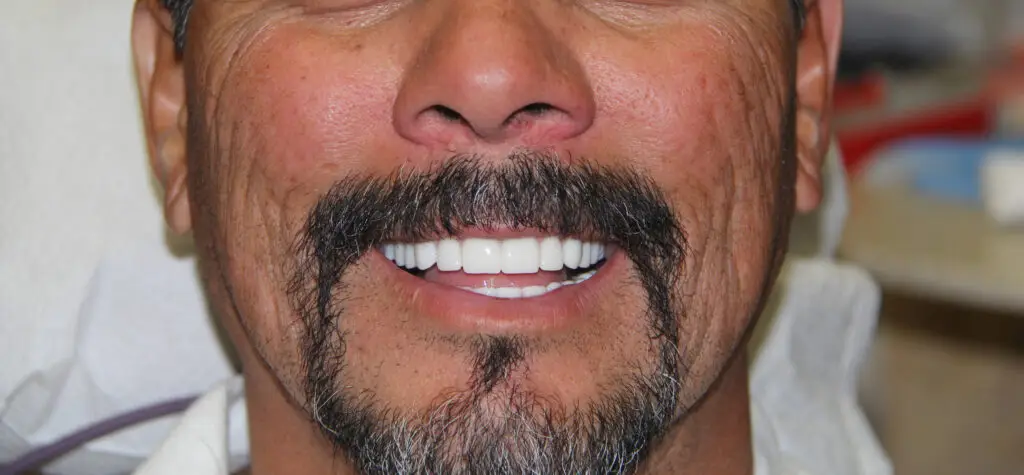
Receiving permanent teeth within 24 hours can significantly enhance the recovery experience. This immediate restoration not only provides functional benefits but also offers psychological reassurance, helping patients feel more confident during the healing process. Compared to temporary solutions, permanent teeth can lead to a more positive emotional state, reducing anxiety and improving overall satisfaction with the treatment.
Dental Implant Recovery: Care & Healing Timeline | Golpa NexGen Smiles
Managing pain and discomfort effectively is essential for a smooth recovery after dental implant surgery. Patients should be aware of various pain management techniques that can alleviate discomfort during the healing process.
What Are Effective Pain Management Techniques Post-Implant?

Effective pain management techniques include the use of prescribed medications, cold compresses to reduce swelling, and ensuring adequate rest. Over-the-counter pain relievers can also be beneficial, but it is crucial to follow the dentist’s recommendations regarding medication use to avoid complications.
When Should Patients Contact Their Dentist About Pain Issues?
Patients should contact their dentist if they experience severe pain that does not improve with medication, signs of infection such as fever or excessive swelling, or any unusual symptoms. Understanding the difference between normal post-operative discomfort and signs of complications is vital for ensuring a successful recovery.
What Foods Are Recommended During Mouth Dental Implants Recovery?
Diet plays a crucial role in the recovery process after dental implant surgery. Consuming the right foods can promote healing and prevent complications.
Which Soft Foods Support Healing After Implant Surgery?

During the initial recovery phase, it is advisable to consume soft foods that are easy to chew and swallow. Recommended options include yogurt, smoothies, mashed potatoes, and soups. These foods provide essential nutrients while minimizing discomfort during eating.
What Foods Should Be Avoided to Prevent Complications?
Patients should avoid hard, crunchy, or spicy foods that can irritate the surgical site or disrupt the healing process. Foods like nuts, chips, and tough meats should be excluded from the diet until the mouth has fully healed.
How Does Severe Bone Loss Affect Dental Implant Recovery?
Severe bone loss can complicate the recovery process for dental implants, making it essential to understand the implications and available treatment options.
What Advanced Protocols Address Bone Graft Recovery in Implants?
Advanced protocols, such as bone grafting, are often employed to address severe bone loss. These procedures involve transplanting bone tissue to create a stable foundation for the implants. Recovery from bone grafting can take additional time, typically extending the overall healing timeline.
How Does Provider Expertise Influence Outcomes in Severe Bone Loss Cases?
The expertise of the dental provider plays a critical role in the success of implant procedures, especially in cases involving severe bone loss. Experienced practitioners, like Dr. Mike Golpa at NexGen Smiles, utilize advanced protocols and techniques to enhance outcomes, ensuring that patients receive the best possible care during their recovery.
How Do Full Mouth Dental Implants Compare to All on 4 in Recovery and Outcomes?
When considering dental implant options, understanding the differences in recovery and outcomes between full mouth implants and the All on 4 technique is essential.
What Are the Differences in Recovery Timelines Between Procedures?
The recovery timeline for full mouth dental implants generally requires a longer healing period compared to the All on 4 method. While All on 4 may offer quicker initial recovery due to fewer implants being placed, full mouth implants provide a more comprehensive solution that can lead to better long-term results.
Why Choose Permanent Teeth Delivery Over Temporary Solutions?
Choosing permanent teeth delivery over temporary solutions offers several advantages, including improved functionality, aesthetics, and patient confidence. Permanent solutions can enhance the overall experience and satisfaction with dental implant treatment, making them a preferred choice for many patients.
What Are the Best Post-Operative Care Tips for Successful Implant Healing?
Post-operative care is crucial for ensuring successful healing after dental implant surgery. Implementing effective care strategies can significantly impact recovery outcomes.
Which Daily Habits Promote Faster Recovery?
Daily habits that promote faster recovery include maintaining proper oral hygiene, staying hydrated, and balancing rest with light activity. Following the dentist’s instructions regarding care and maintenance is vital for optimal healing.
How Can Patients Monitor Their Healing Progress Effectively?
Patients can monitor their healing progress by observing signs of improvement, such as reduced swelling and discomfort. Regular follow-up appointments with the dentist are essential for assessing healing and addressing any concerns that may arise during recovery.
| Care Tip | Description | Benefit |
|---|---|---|
| Oral Hygiene | Maintain a gentle cleaning routine | Prevents infection |
| Hydration | Drink plenty of fluids | Supports healing |
| Rest | Balance activity with rest | Reduces fatigue |