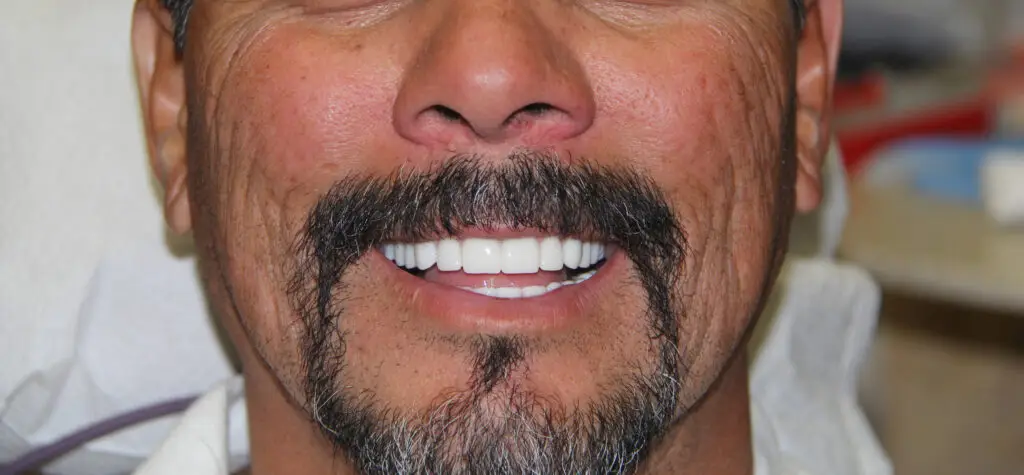

How Long Do Full Mouth Dental Implants Last?
Full mouth dental implants are a revolutionary solution for individuals seeking to restore their smile and improve their quality of life. Understanding the lifespan of these implants is crucial for potential patients, as it directly impacts their long-term dental health and financial investment. This article will explore the typical lifespan of full mouth dental implants, the factors that influence their durability, and the best practices for maintaining them. Many individuals are concerned about the longevity of their dental implants, and knowing how to care for them can significantly extend their lifespan. We will delve into various aspects, including bone health, lifestyle choices, and technological advancements that contribute to the longevity of these implants.
What Is the Typical Lifespan of Full Mouth Dental Implants?
Full mouth dental implants can last over 10 years or even longer with proper care and maintenance. The prosthetic teeth attached to these implants typically last between 5 to 15 years, depending on various factors such as material quality and oral hygiene practices. Understanding the expected lifespan of these implants helps patients make informed decisions about their dental health and financial commitments.
Further research supports these findings, providing a more precise median survival estimate for implant prostheses.
Dental Implant Lifespan: 16-Year Median Survival & Influencing Factors
This study aimed to analyze factors influencing the success and failure of implant prostheses and to estimate the lifespan of prostheses using standardized evaluation criteria. The number of patients involved in this study was 485, with a total of 841 prostheses evaluated. The median survival was estimated to be 16 years with a 95% confidence interval.
Prediction of lifespan and assessing risk factors of large-sample implant prostheses: a multicenter study, 2024
Which Factors Affect the Durability of Full Mouth Dental Implants?

At NexGen Smiles, we understand that the longevity of full mouth dental implants is primarily determined by the precision of surgical planning, the experience of the provider, and the meticulous execution of the procedure. While advanced technology and materials contribute to implant success, the critical factor lies in the doctor’s ability to plan and deliver full arch cases with exacting precision.
Dr. Golpa brings unparalleled expertise, having performed thousands of full mouth implant procedures with consistent, long-term results. Unlike many providers who follow standardized implant approaches, NexGen Smiles employs advanced protocols specifically designed to achieve immediate implant stability and ensure enduring success.
Our approach to delivering permanent teeth in as little as 24 hours is not merely about speed—it reflects a commitment to precision and long-term reliability. This level of care and expertise sets NexGen Smiles apart, providing patients with confidence in the durability and performance of their dental implants.
How Do Bone Health and Bone Grafting Impact Implant Longevity?
Bone health is crucial for the stability and longevity of dental implants. Adequate bone density and quality provide a solid foundation for the implants, ensuring they integrate well with the jawbone. In cases where bone density is insufficient, bone grafting may be necessary to enhance the treatment options. Techniques in bone grafting can improve the overall success rate of implants.
Indeed, the critical role of bone health and the effectiveness of grafting techniques are well-documented in dental literature.
Bone Health & Grafting for Dental Implant Success
Bone quality, volume, height and width all play a pivotal role in dental implant stability, success and survival. A lack of adequate bone can be overcome with various bone grafting procedures. Dependent on many factors, including the amount of bone required, the site of implant placement, patient preferences and clinician factors; the type of bone grafting material and procedure undertaken can vary.
Bone grafting techniques and materials for implant dentistry, S Khalid, 2023
What Lifestyle and Oral Hygiene Practices Influence Implant Lifespan?
Lifestyle choices and oral hygiene practices significantly impact the lifespan of dental implants. Key practices include:
- Good Oral Hygiene: Maintaining a rigorous oral hygiene routine is essential for preventing infections and ensuring the longevity of implants.
- Avoiding Harmful Habits: Lifestyle choices such as smoking can negatively impact healing and the overall success of dental implants.
- Regular Dental Check-Ups: Routine visits to the dentist help monitor the condition of the implants and surrounding tissues, allowing for early intervention if issues arise.
These practices are vital for maximizing the lifespan of full mouth dental implants.
What Are Common Causes of Full Mouth Implant Failure and How Can They Be Prevented?
Understanding the common causes of implant failure can help patients take preventive measures. Some of the primary causes include:
- Inadequate Treatment Planning: Poor planning can lead to complications during and after the procedure.
- Infection: Infection around the implant site is a common cause of failure, emphasizing the need for proper hygiene.
- Lack of Proper Integration: Insufficient integration of the implant with the bone can lead to instability and eventual failure.
By addressing these issues proactively, patients can significantly reduce the risk of implant complications.
How Can Patients Reduce the Risk of Implant Complications?
Patients can take several steps to minimize the risks associated with dental implants:
- Choose an Experienced Provider: Selecting a provider with extensive experience in implantology is crucial for successful outcomes.
- Maintain Good Oral Hygiene: Adhering to a strict oral hygiene routine helps prevent infections and complications.
- Follow Post-Operative Care Instructions: Following the care guidelines provided by the dental professional is vital for healing and long-term success.
These strategies empower patients to take control of their dental health and enhance the longevity of their implants.
Full-Mouth Implant Failure: Causes & Prevention Golpa NexGen Smiles
To maintain and extend the life of permanent full mouth dental implants, patients should focus on:
- Regular Oral Hygiene: Consistent brushing and flossing are essential for keeping the implants and surrounding tissues healthy.
- Routine Dental Check-Ups: Regular visits to the dentist allow for monitoring and maintenance of the implants.
- Avoiding Harmful Habits: Quitting smoking and reducing alcohol consumption can significantly improve implant success rates.
Implementing these practices can lead to a longer lifespan for dental implants.
What Are the Best Practices for Implant Care and Maintenance?

Best practices for caring for dental implants include:
- Use High-Quality Materials: Opting for implants made from durable materials ensures better longevity.
- Avoid Harmful Habits: Steering clear of smoking and excessive alcohol consumption can enhance healing and success rates.
- Follow Post-Operative Instructions: Adhering to the care guidelines provided by the dental professional is crucial for optimal healing.
These practices contribute to the overall success and longevity of dental implants.
How Do Advances in Implant Technology Improve Longevity?
Advancements in implant technology have significantly improved the longevity of dental implants. Key improvements include:
- High-Quality Materials: The use of advanced materials, such as titanium, enhances strength and durability.
- Advanced Surgical Techniques: Improved surgical methods enhance stability and integration with the jawbone.
- Precision Planning: Enhanced planning techniques lead to better outcomes and reduced complications.
These technological advancements play a vital role in ensuring the long-term success of dental implants.