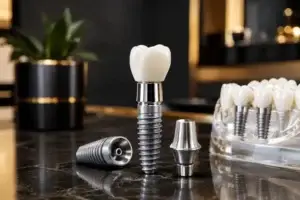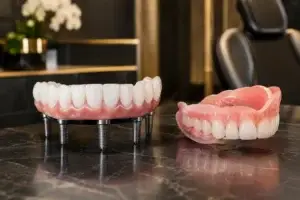

For someone who has spent years hiding damaged teeth, avoiding certain foods, or enduring the cycle of repairs and temporary solutions, a full-mouth implant procedure should never feel like guesswork. Digital planning for dental implants gives experienced clinicians a detailed way to study your anatomy, plan the position of every implant, and design the new smile before treatment begins.
That preparation matters because full-arch implant treatment is about far more than placing implants. It is about creating fixed teeth that look natural, feel secure, support comfortable chewing, and fit the way you live. The technology is powerful, but experience makes all the difference in how that technology is used.
What Digital Planning for Dental Implants Actually Does
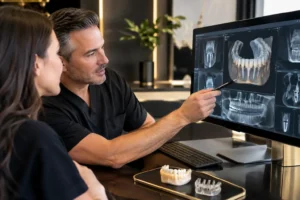
Digital planning brings together advanced imaging, digital impressions, bite records, facial information, and restorative design. A three-dimensional scan allows the clinical team to see details that traditional two-dimensional X-rays cannot show as clearly, including bone volume, sinus position, nerve pathways, and the relationship between the upper and lower jaws.
For full-mouth treatment, the planning process also considers the final teeth from the beginning. Rather than simply asking where implants can fit, a skilled team asks a more meaningful question: where should implants be positioned to support a strong, beautiful, functional full arch of teeth?
That distinction can affect everything from your smile line to how your bite feels when you eat. It also helps the team plan for the materials, contours, lip support, and tooth proportions that create a result appropriate for your face, not a generic set of teeth.
The Final Smile Should Guide the Surgery
A common mistake in implant dentistry is treating surgery and restoration as separate events. Implants may be placed first, with the final prosthetic plan left for later. That approach can create compromises, particularly when a patient has worn-down teeth, bone loss, collapsed bite height, or a failed bridge that has changed the way their face is supported.
At Golpa NexGen Smiles, digitally planned full-mouth treatment is built around the end result: stable, fixed teeth designed for long-term function and natural appearance. Surgical planning and restorative planning are coordinated so that the implants can support the teeth you actually need, not just the teeth that happen to be easiest to place.
For patients, this means the conversation is not limited to implant counts or a low advertised starting price. It includes how you want to smile, speak, eat, and feel after treatment. A beautiful result must also be engineered to work.
Planning the Bite Is as Important as Planning the Teeth
Many people seeking full-mouth reconstruction have lived with an unstable bite for years. Teeth may have shifted, fractured, worn down, or been lost one at a time. Dentures may move when chewing. An old full-arch bridge may feel bulky, break repeatedly, or leave the patient uncertain about what they can eat.
Digital planning helps establish a more appropriate bite position before final restorations are made. The team can evaluate jaw relationships, tooth display, available restorative space, and the forces that will act on the new teeth. This is especially valuable in complex cases, where simply replacing what was there before may repeat the same functional problems.
No digital system can eliminate every clinical variable. Healing, bone quality, medical history, and bite forces still require professional judgment. But a carefully planned case gives the clinician a far stronger foundation for making informed decisions before surgery begins.
Greater Precision for Complex Implant Cases
Digital planning can be especially valuable when the case is not straightforward. Patients with severe bone loss, missing teeth for many years, failed implants, infections, or long-term dentures often need a level of evaluation that a quick consultation cannot provide.
A detailed digital workup helps identify where bone is available, where it may be limited, and whether implant angles or positions need to be adjusted to avoid important anatomy. In selected cases, it can help guide the surgical approach and reduce surprises during treatment.
This is not a promise that every patient will qualify for the same protocol. Some people need additional preparation, removal of failing teeth, treatment of infection, or a customized plan based on their health and anatomy. A credible implant provider explains those differences rather than forcing every patient into the same package.
For a patient who has already been told, “You do not have enough bone,” a second opinion from a practice experienced in complex full-mouth reconstruction can be worthwhile. The right answer may not be the fastest or least expensive answer. It should be the answer that protects your health and supports a durable result.
How Digital Planning Supports Teeth in 24 Hours
The phrase “teeth in a day” has become common in implant advertising, but not all immediate-treatment protocols are equal. Some providers use a temporary bridge that is intended only to get the patient through the healing phase. Others may rely on generic designs, limited diagnostics, or materials that do not reflect the standard a patient expects for a major investment.
A properly planned immediate full-arch procedure requires close coordination. The team must evaluate whether implants can achieve the stability needed for an immediate fixed restoration, design the provisional teeth in advance, and account for bite forces during early healing. It is not simply a matter of attaching teeth to implants on the day of surgery.
For the right candidate, this level of preparation can make it possible to leave with fixed teeth rather than a removable denture. That can be life-changing for someone who has postponed photographs, social events, business meetings, or favorite meals because of their smile.
Still, the word “immediate” should not be confused with “finished forever.” Your mouth needs time to heal, and the final restoration is an essential stage of long-term care. Premium materials such as zirconia and titanium, together with thoughtful design and precise fabrication, play a major role in the strength, appearance, and comfort of the completed result.
Technology Is Only as Good as the Team Behind It
Digital scanners, cone beam imaging, guided surgery, and computer-assisted design have changed implant dentistry. Yet technology does not replace clinical judgment. It cannot independently determine the best smile for your face, recognize a risky compromise, or manage the challenges of a patient with extensive tissue loss and failed prior work.
That is why patients should look beyond the equipment list. Ask how often the practice handles full-mouth cases. Ask whether the surgical and restorative planning are coordinated by the same experienced team. Ask what materials are used, what happens if a complex issue is discovered, and whether the facility meets meaningful safety standards.
A lower initial quote may leave out elements that influence the quality and longevity of care: diagnostic planning, anesthesia, provisional teeth, final restorations, follow-up, or the expertise required when a case does not go according to a simple script. Full-mouth dental implants are not a purchase to compare by a single number.
A More Confident Way to Begin
Digital planning also gives patients something they may not have felt in years: clarity. When you understand the condition of your teeth and bone, the purpose of each stage, and the vision for your final smile, the path forward becomes easier to evaluate.
For people traveling to Las Vegas for specialized care, a virtual consultation and expert treatment-plan review can be a practical first step. It allows you to discuss your concerns, share existing records when available, and learn whether your case may benefit from a more comprehensive approach.
You deserve more than another temporary fix or another repair that postpones the inevitable. The best implant plan is not the one that makes the biggest promise. It is the one built carefully around your health, your anatomy, and the life you want to return to – eating comfortably, smiling freely, and moving forward with confidence.