
Comprehensive Care After Dental Implants: Recovery, Cleaning, and Maintenance Guide
By Dr. Mike Golpa, Golpa NexGen Smiles
Caring for dental implants is crucial for ensuring their longevity and functionality. This guide provides essential insights into the recovery process, cleaning techniques, and maintenance practices necessary for optimal dental implant care. Understanding the nuances of post-operative dental care can significantly enhance patient outcomes and comfort. Many individuals experience anxiety during the recovery phase, fearing complications or discomfort. However, with the right knowledge and practices, patients can navigate this period with confidence. This article will cover recovery tips, cleaning and maintenance strategies, dietary considerations, signs of infection, and how NexGen Smiles stands out in providing permanent teeth solutions.
What Are the Best Recovery Tips After Full Mouth Dental Implants?
Recovering from full mouth dental implants involves several key strategies to ensure a smooth healing process. Following post-operative instructions is vital for minimizing discomfort and promoting healing. Patients should prioritize rest and avoid strenuous activities during the initial recovery phase. Additionally, maintaining a positive mindset can significantly impact recovery, as stress can hinder the healing process.
How Does Advanced Protocol Support Faster Healing and Permanent Teeth Delivery?
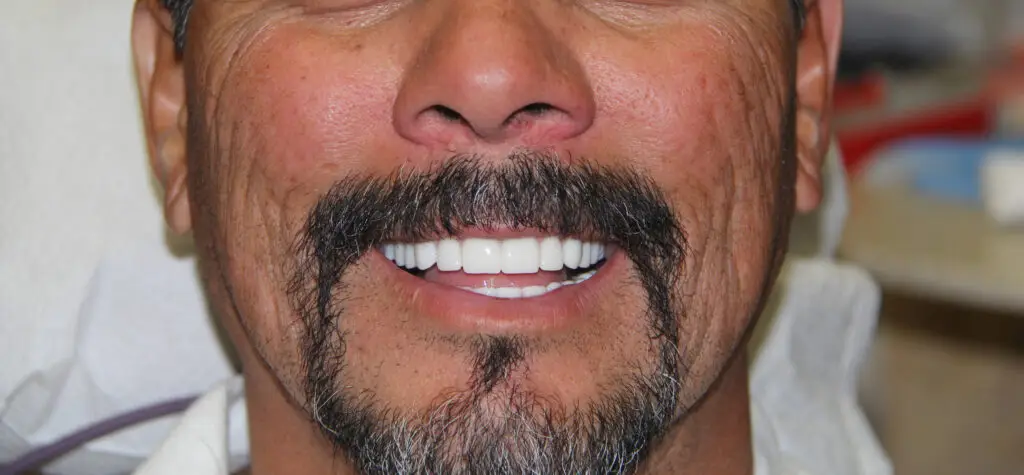
Advanced protocols employed by dental professionals, such as those at NexGen Smiles, are designed to enhance healing and expedite the delivery of permanent teeth. These protocols often include the use of cutting-edge technology and techniques that promote faster recovery times. For instance, immediate loading of implants can allow patients to receive their permanent teeth within a short timeframe, often within 24 hours. Patient testimonials frequently highlight the effectiveness of these advanced methods, noting reduced discomfort and quicker return to normal activities.
What Are Key Steps to Manage Pain and Swelling Effectively?
Managing pain and swelling after dental implant surgery is essential for a comfortable recovery. Patients are often advised to take prescribed medications as directed, which may include anti-inflammatory drugs to reduce swelling. Applying ice packs to the affected area can also help alleviate discomfort. Furthermore, resting and keeping the head elevated can minimize swelling. It is crucial for patients to follow these steps diligently to ensure a smoother recovery experience.
How Do You Properly Clean and Maintain Permanent Dental Implants?

Proper cleaning and maintenance of dental implants are vital for their longevity and overall health. Patients should establish a daily cleaning routine that includes brushing and flossing around the implant sites. Regular dental check-ups are also essential to monitor the health of the implants and surrounding tissues. Avoiding harmful substances, such as tobacco and excessive alcohol, can further support implant health.
Emphasizing the importance of these practices, research consistently highlights how proper hygiene and diet are fundamental to successful implant integration and healing.
Dietary & Hygienic Guidelines for Dental Implant Recovery
Results: The dietary and hygienic guidelines provided in this paper emphasize the importance of maintaining proper oral hygiene and diet to support osseointegration and soft tissue healing during postsurgery healing periods.
Hygienic and dietetic guidelines for implant-supported full-arch immediate loading prostheses, P Pesce, 2015
Which Cleaning Techniques Ensure Long-Term Implant Health?
Different cleaning techniques can significantly impact the health of dental implants. Effective methods include:
- Use of Soft-Bristled Toothbrushes: These help prevent damage to the implant surface while ensuring thorough cleaning.
- Interdental Brushes: These tools can reach areas that traditional toothbrushes may miss, ensuring comprehensive cleaning.
- Professional Cleanings: Regular visits to the dentist for professional cleanings can help maintain implant health and catch any potential issues early.
What Maintenance Practices Prevent Complications and Support Patient Outcomes?
To prevent complications and support positive patient outcomes, several maintenance practices should be followed:
- Regular Dental Check-Ups: These allow for monitoring of the implant and surrounding tissues, ensuring any issues are addressed promptly.
- Monitoring for Signs of Complications: Patients should be educated on recognizing symptoms such as swelling, pain, or unusual changes around the implant.
- Patient Education on Care: Providing patients with clear instructions on how to care for their implants can significantly enhance their long-term success.
Which Foods Should Be Avoided During Dental Implant Healing?
Diet plays a crucial role in the healing process after dental implant surgery. Certain foods can irritate the surgical site and hinder recovery.
- Hard Foods: Foods that require significant chewing can put stress on the implants and should be avoided.
- Spicy Foods: These can cause irritation and discomfort in the healing tissues.
- Sugary Foods: High sugar intake can lead to infections and should be limited during the recovery phase.
Why Is Diet Important for Implant Recovery and Bone Grafting Success?
A well-balanced diet is essential for supporting healing after dental implant surgery. Nutrients such as protein, vitamins, and minerals play a significant role in tissue repair and bone health. For instance, protein is vital for cell regeneration, while vitamins like C and D support immune function and bone healing.
What Are Recommended Foods to Support Healing and Avoid Infection?

To promote healing and reduce the risk of infection, patients should focus on incorporating the following foods into their diet:
- High-Protein Foods: Options like lean meats, fish, and legumes support tissue repair.
- Fruits and Vegetables: These provide essential vitamins and antioxidants that aid in recovery.
- Hydration: Drinking plenty of water is crucial for overall health and can help flush out toxins.
Essential Dental Implant Recovery & Maintenance by Golpa NexGen Smiles
Recognizing the signs of infection after dental implants is critical for ensuring timely intervention. Common symptoms include swelling, redness, and persistent pain around the implant site.
Indeed, understanding the potential for complications, particularly infections, is paramount for long-term implant success.
Preventing & Treating Dental Implant Complications
The major cause of late failures should be attributed to periimplant infections. Biological complications with dental implants: their prevention, diagnosis and treatment Note
Biological complications with dental implants: their prevention, diagnosis and treatment Note, 2000
How to Recognize Early Symptoms of Implant Infection?
Early symptoms of implant infection can manifest as:
- Swelling and Redness: These are often the first signs that something may be wrong.
- Fever and Discomfort: A low-grade fever may accompany discomfort, indicating a potential infection.
- Pus or Discharge: Any unusual discharge from the implant site should be reported to a dental professional immediately.
What Are Effective Steps to Address Infection and Ensure Recovery?
If an infection is suspected, patients should take the following steps:
- Contacting the Dental Provider: Immediate communication with the dental office is essential for addressing concerns.
- Possible Treatments: Depending on the severity, treatments may include antibiotics or further dental intervention.
- Follow-Up Care: Ensuring follow-up appointments are kept can help monitor the situation and prevent further complications.
How Does NexGen Smiles’ Permanent Teeth Delivery Differ from Traditional All on 4 Solutions?
NexGen Smiles offers a unique approach to permanent teeth delivery that sets it apart from traditional All on 4 solutions. The emphasis on advanced protocols and personalized care allows for immediate results and enhanced patient satisfaction.
What Are the Advantages of Permanent Teeth Within 24 Hours?
The benefits of receiving permanent teeth within 24 hours include:
- Immediate Results: Patients can enjoy the aesthetic and functional benefits of their new teeth right away.
- Enhanced Confidence: Having a complete smile can significantly boost self-esteem.
- Reduced Treatment Time: The expedited process minimizes the overall time spent in dental care.
How Are Complex Cases with Severe Bone Loss Managed Differently?
Managing complex cases with severe bone loss requires specialized techniques and careful planning. NexGen Smiles utilizes advanced imaging and treatment planning to ensure successful outcomes for patients with challenging anatomical conditions. This tailored approach allows for customized treatment plans that address individual needs effectively.