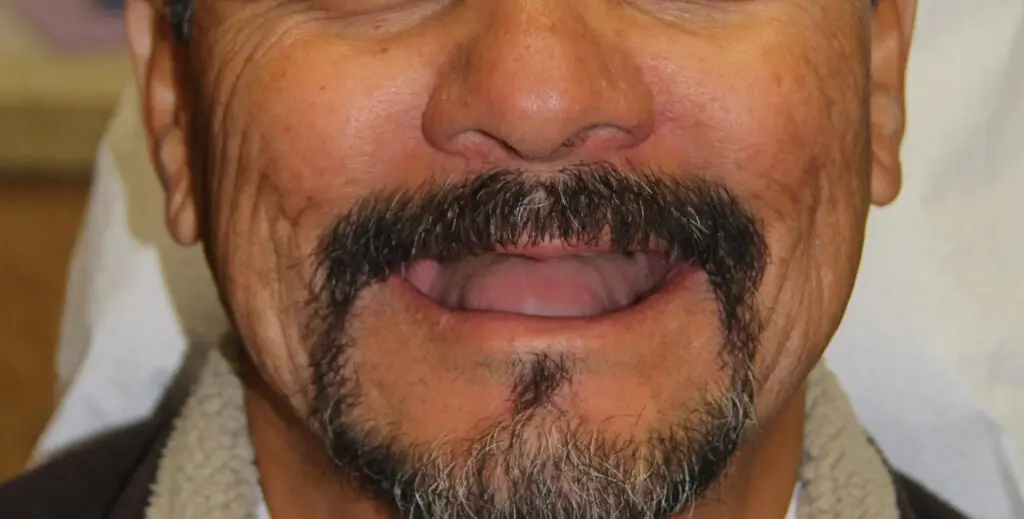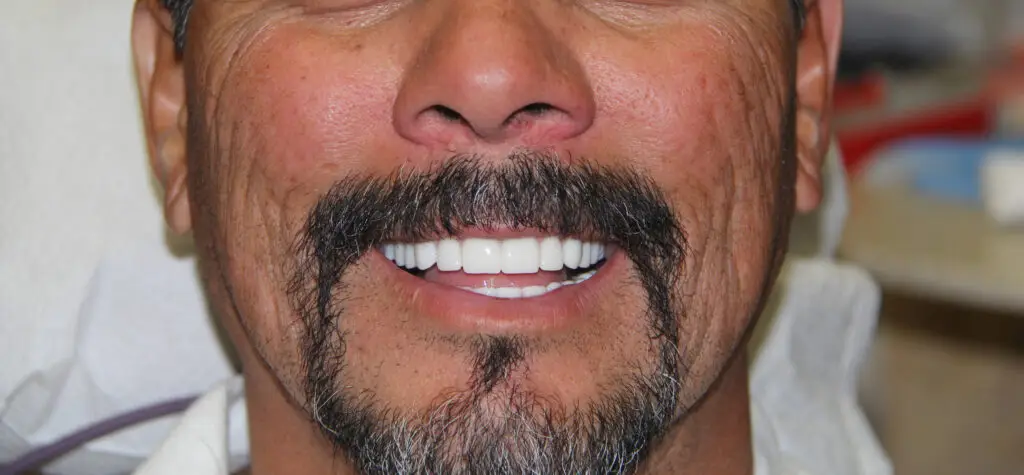

Introduction: When You’ve Been Told “You’re Not a Candidate”
For many patients, the most frustrating words they hear are:
“You don’t have enough bone for dental implants.”
Traditionally, severe bone loss meant limited options—often leading to removable dentures or lengthy bone grafting procedures that could take months or even years.
Today, that’s no longer the case.
Zygomatic implants offer an advanced, highly specialized solution for patients with significant bone loss—making it possible to restore a full set of permanent teeth even when traditional implants are not an option.
What Are Zygomatic Implants?
Zygomatic implants are a specialized type of dental implant designed for patients with severe upper jaw bone loss.
Instead of anchoring into the jawbone like traditional implants, zygomatic implants are secured into the zygoma (cheekbone)—a much denser and more stable bone structure.
This allows for:
- Immediate stability
- Strong support for full-arch restorations
- Elimination of the need for bone grafting in many cases
Why Zygomatic Implants Are Different
Traditional dental implants rely on sufficient bone in the upper jaw. When that bone deteriorates, options become limited.
Zygomatic implants change the entire approach.
Traditional Implants:
- Require adequate jawbone
- Often need bone grafting
- Longer treatment timelines
Zygomatic Implants:
- Use the cheekbone for support
- Avoid bone grafting in many cases
- Allow faster treatment and results
This is why they are considered one of the most advanced procedures in implant dentistry.
Who Needs Zygomatic Implants?
Zygomatic implants are typically recommended for patients who:
- Have severe bone loss in the upper jaw
- Have been told they are not candidates for implants
- Wear dentures and want a fixed solution
- Have failed previous implant procedures
- Want to avoid long bone grafting timelines
If you’ve been turned away elsewhere, this may be the solution that changes everything.
Zygomatic Implants vs Bone Grafting
One of the most important comparisons is between zygoma implants and bone grafting.
Bone Grafting:
- Requires multiple procedures
- Healing time: 6–12 months (or more)
- Additional cost and complexity
- No guarantee of success
Zygomatic Implants:
- Often completed in a single surgical phase
- No need for grafting in many cases
- Faster path to teeth
- Highly predictable when performed by experienced providers
For many patients, zygomatic implants eliminate months—or even years—of waiting.
Can You Get Teeth in 24 Hours with Zygomatic Implants?
In many cases, yes.
Because zygomatic implants anchor into dense bone, they can often provide the stability needed for immediate loading—meaning temporary teeth can be placed the same day or within 24 hours.
This allows patients to:
- Avoid going without teeth
- Experience immediate transformation
- Return to daily life faster
The Procedure: What to Expect
Zygomatic implant procedures are highly specialized and require advanced training and experience.
Step 1: Consultation & Imaging
Advanced 3D imaging is used to evaluate bone structure and determine candidacy.
Step 2: Treatment Planning
Precise planning ensures optimal placement and long-term success.
Step 3: Implant Placement
Zygomatic implants are placed at an angle into the cheekbone under sedation.
Step 4: Temporary Teeth
In many cases, a temporary set of teeth is placed immediately.
Step 5: Final Restoration
After healing, a permanent set of custom-designed teeth is delivered.
Recovery and Healing
Despite the complexity of the procedure, recovery is often manageable and similar to traditional implant surgery.
Typical Recovery:
- Mild to moderate swelling for a few days
- Return to normal activities within a week
- Full healing over several months
Most patients are surprised by how smooth the process feels compared to their expectations.
Are Zygomatic Implants Safe?
Yes—when performed by experienced implant specialists.
Zygomatic implants have been used successfully for decades and are supported by clinical research. However, they are technique-sensitive and should only be performed by providers with extensive experience in full-mouth implant procedures.
Choosing the right provider is critical.
The Importance of Experience
Not all implant providers offer zygomatic implants—and for good reason.
This procedure requires:
- Advanced surgical training
- Extensive experience with complex cases
- Precision planning and execution
At NexGen Smiles, the focus is on treating the most challenging cases with predictable outcomes—helping patients who have been told “no” finally find a solution.
Life After Zygomatic Implants
For patients with severe bone loss, the transformation can be life-changing.
After treatment, you can:
- Eat normally again
- Speak with confidence
- Eliminate dentures permanently
- Restore facial structure and support
For many, it’s not just about teeth—it’s about restoring identity, confidence, and quality of life.
Comparing Zygomatic Implant Costs with Bone Grafting Alternatives
Zygomatic implants are a more advanced procedure, and costs can vary depending on complexity.
However, when compared to:
- Multiple bone grafting procedures
- Extended treatment timelines
- Ongoing denture costs
They often provide a more efficient and long-term solution.
Are Zygomatic Implants Right for You?
If you’ve been told you don’t have enough bone for traditional implants, or you’re tired of dealing with dentures, zygomatic implants may be the solution you didn’t know existed.
The only way to know for sure is through a personalized evaluation.